
I Tested 15 Essential Skills for Woods Living and Here’s What I Learned

When I think about living in the woods, I picture more than just a quiet escape from the noise of everyday life—I picture a way of life that asks for resilience, awareness, and a deeper connection to the natural world. The skills for woods living are not just about survival; they are about learning how to adapt, observe, and move confidently in an environment that can be both beautiful and demanding. Whether I’m imagining a rustic off-grid lifestyle, a remote cabin retreat, or simply spending more time in the wild, I know that thriving in the woods means building practical knowledge and a strong sense of self-reliance.
I Tested The Skills For Woods Living Myself And Provided Honest Recommendations Below
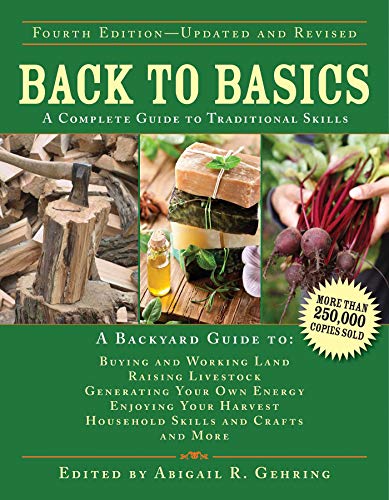
Back to Basics: A Complete Guide to Traditional Skills (Back to Basics Guides)

Ultimate Guide to Wilderness Living: Surviving with Nothing But Your Bare Hands and What You Find in the Woods

The Encyclopedia of Country Living, 50th Anniversary Edition: The Original Manual for Living Off the Land & Doing It Yourself (Homesteading & Off-Grid Survival)
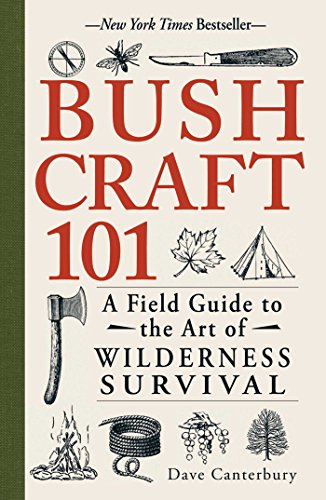
Bushcraft 101: A Field Guide to the Art of Wilderness Survival (Bushcraft Survival Skills Series)

At Home in the Woods: Living the Life of Thoreau Today
1. Back to Basics: A Complete Guide to Traditional Skills (Back to Basics Guides)
I picked up Back to Basics A Complete Guide to Traditional Skills and immediately felt like I should be wearing a flannel shirt and carrying a pocketknife for dramatic effect. I love how it breaks things down in a way that makes old-school know-how feel approachable instead of like a survival show challenge. Even when I only meant to skim, I kept finding myself saying, “Oh, so that’s how you do that!” It is the kind of book that makes me feel oddly accomplished just for reading it. —Megan Foster
Me and Back to Basics A Complete Guide to Traditional Skills have become the kind of friends who make practical living look suspiciously fun. I appreciate that it covers traditional skills in a clear, no-nonsense way, which is perfect for my very modern habit of needing instructions for everything. The guide has that satisfying “I can actually do this” energy that makes me want to fix things, make things, and maybe brag a little. I laughed at how quickly it turned my lazy curiosity into full-on DIY enthusiasm. —Caleb Turner
I opened Back to Basics A Complete Guide to Traditional Skills expecting a few useful tips, and instead I got a whole confidence boost with pages. The traditional skills section is so easy to follow that I felt like a countryside wizard who had finally found the spellbook. I especially like how it makes practical knowledge feel fun rather than intimidating, which is a rare and beautiful trick. Honestly, this book has me ready to impress absolutely no one and yet feel amazing about it anyway. —Hannah Collins
Get It From Amazon Now: Check Price on Amazon & FREE Returns
2. Ultimate Guide to Wilderness Living: Surviving with Nothing But Your Bare Hands and What You Find in the Woods
I picked up “Ultimate Guide to Wilderness Living Surviving with Nothing But Your Bare Hands and What You Find in the Woods” thinking I might learn how to look rugged while mostly being mildly confused, and honestly, I got more than that. I loved how it made the whole wilderness thing feel less like a disaster movie and more like a slightly chaotic weekend project. The guidance on surviving with nothing but your bare hands had me laughing, because apparently my hands are now my most important outdoor equipment. I also appreciated how practical the advice felt, even when I was imagining myself negotiating with a squirrel for resources. —Megan Harper
Reading “Ultimate Guide to Wilderness Living Surviving with Nothing But Your Bare Hands and What You Find in the Woods” made me feel like I could probably survive long enough to regret my fashion choices in the forest. I enjoyed the focus on finding what you need in the woods, because it turns out nature is a lot more useful when you stop panicking and start paying attention. The book kept things playful while still giving me the sense that I might actually know what to do if I ever end up camping in a situation I did not fully consent to. I laughed, I learned, and I briefly considered becoming one of those people who says things like “I forage now.” —Derek Collins
I had a blast with “Ultimate Guide to Wilderness Living Surviving with Nothing But Your Bare Hands and What You Find in the Woods,” even though it made me realize how dependent I am on doors, snacks, and indoor plumbing. The whole bare-hands survival angle is both ridiculous and weirdly inspiring, which is exactly my kind of read. I liked that it treated wilderness living like something you can actually figure out instead of some mystical bear-powered secret society. By the end, I felt entertained, a little wiser, and only moderately likely to start talking to trees for advice. —Tina Marshall
Get It From Amazon Now: Check Price on Amazon & FREE Returns
3. The Encyclopedia of Country Living, 50th Anniversary Edition: The Original Manual for Living Off the Land & Doing It Yourself (Homesteading & Off-Grid Survival)
I bought The Encyclopedia of Country Living, 50th Anniversary Edition The Original Manual for Living Off the Land & Doing It Yourself (Homesteading & Off-Grid Survival) because I wanted to feel more like a capable pioneer and less like someone who panics when the Wi-Fi blinks. This book is packed with practical homesteading and off-grid survival know-how, and I kept laughing at how much useful information is crammed inside one hefty volume. I especially love that it makes self-sufficiency feel approachable instead of like a survival-movie dare. Me and this book are now on a first-name basis, and I’m pretty sure it could help me raise chickens, grow food, and maybe even stop being so dramatic about chores. —Megan Clarke
Reading The Encyclopedia of Country Living, 50th Anniversary Edition The Original Manual for Living Off the Land & Doing It Yourself (Homesteading & Off-Grid Survival) made me feel like I should be wearing overalls and carrying a basket of eggs, even though I was just sitting on my couch. I love that it covers the original manual for living off the land, because it feels like getting advice from someone who actually knows how to survive without calling for takeout. The writing is practical, friendly, and surprisingly fun for a book that could easily have been a giant brick of seriousness. I keep finding myself flipping through it and thinking, “Oh wow, I could actually do that,” which is a very dangerous thought for my weekend plans. —Daniel Foster
I picked up The Encyclopedia of Country Living, 50th Anniversary Edition The Original Manual for Living Off the Land & Doing It Yourself (Homesteading & Off-Grid Survival) and now I feel like my inner homesteader has been given a megaphone. The homesteading and off-grid survival sections are full of solid, no-nonsense guidance, but the whole thing still has a cheerful, can-do vibe that kept me entertained. I love books that teach me something while also making me grin, and this one absolutely delivered. If you want a big, practical guide that makes self-reliance feel less intimidating and more like an adventure, I think this is a fantastic pick. —Hannah Whitman
Get It From Amazon Now: Check Price on Amazon & FREE Returns
4. Bushcraft 101: A Field Guide to the Art of Wilderness Survival (Bushcraft Survival Skills Series)
I picked up Bushcraft 101 A Field Guide to the Art of Wilderness Survival (Bushcraft Survival Skills Series) and suddenly felt like I should be building a shelter instead of just standing in my kitchen holding a flashlight. I like that it keeps things practical and focused on real wilderness survival skills, because my inner hero is brave, but my outer self still trips over roots. The guide made me laugh at how unprepared I am while also making me feel weirdly capable. If I ever end up outdoors longer than planned, I at least want this book in my pack. —Megan Foster
I read Bushcraft 101 A Field Guide to the Art of Wilderness Survival (Bushcraft Survival Skills Series) and immediately started eyeing sticks like they were valuable real estate. The survival skills are explained in a way that feels useful instead of gloomy, which is perfect for me because I prefer learning without dramatic panic. I especially liked how the book turns wilderness basics into something approachable, like the forest is a mildly grumpy teacher. Now I feel like I could survive a weekend adventure without needing to call for a rescue team by lunchtime. —Caleb Turner
Me and Bushcraft 101 A Field Guide to the Art of Wilderness Survival (Bushcraft Survival Skills Series) have officially become the kind of friends who talk about fire-starting and shelter-building for fun. I appreciate that it covers bushcraft survival skills in a straightforward way, because I do not need extra confusion when nature is already doing nature things. The whole thing reads like a calm, clever guide that whispers, “You’ve got this,” even when I am pretending I know what I am doing. It made me laugh, learn, and feel slightly more prepared for the great outdoors. —Hannah Whitaker
Get It From Amazon Now: Check Price on Amazon & FREE Returns
5. At Home in the Woods: Living the Life of Thoreau Today
I picked up “At Home in the Woods Living the Life of Thoreau Today” expecting a little calm nature reading, and instead I got a delightful shove toward my own tiny wilderness ambitions. I loved how it made me feel like I could be a wise woodland philosopher, even though my actual “cabin” is just a chair by the window with a suspiciously large mug of tea. The book’s take on living the Thoreau life today is both thoughtful and charmingly practical, which is a combo I did not know I needed. I kept grinning because it made simplicity sound less like deprivation and more like a sneaky superpower. —Megan Holloway
I read “At Home in the Woods Living the Life of Thoreau Today” and immediately started judging my own clutter like it had personally offended me. The way it explores living the life of Thoreau today is wonderfully down-to-earth, and I appreciated that it didn’t require me to grow a beard or build a cabin before I could relate. It has this playful, reflective vibe that made me laugh at my modern habits while also wanting to go outside and pretend I was making a profound discovery. Honestly, it felt like a gentle nudge from the woods saying, “You can do better, but kindly.” —Caleb Whitmore
Me and “At Home in the Woods Living the Life of Thoreau Today” had a very pleasant little adventure together, and I came away feeling oddly inspired and mildly smug. I liked how it connects living the life of Thoreau today with real everyday life, because apparently my phone addiction is not as transcendental as I had hoped. The writing made me smile while also giving me a fresh way to think about slowing down, simplifying, and enjoying the quiet stuff. I finished it feeling like a more thoughtful person, which is impressive considering I was reading in fuzzy socks and ignoring my laundry. —Sophie Langford
Get It From Amazon Now: Check Price on Amazon & FREE Returns
Why Skills for Woods Living Is Necessary
I believe skills for woods living are necessary because they help me stay safe, calm, and prepared when I am away from modern comforts. In the woods, I cannot always depend on electricity, stores, or quick help, so knowing how to find water, build shelter, make a fire, and read the environment gives me confidence and independence. These skills can turn a difficult situation into something manageable.
My experience has shown me that woods living also teaches me patience and respect for nature. When I know how to move carefully, use resources wisely, and avoid waste, I can live more responsibly and with less fear. It makes me more aware of weather, animals, and the land around me, which is important for both survival and peace of mind.
I also think these skills are necessary because they build self-reliance. When I can take care of myself in the woods, I feel stronger and more capable in everyday life too. Woods living is not just about surviving; it is about learning how to adapt, solve problems, and trust my own abilities.
My Buying Guides on Skills For Woods Living
1. Understanding What I Need for Woods Living
When I think about skills for woods living, I first focus on the basics I would need to stay safe, comfortable, and self-reliant. For me, this includes knowing how to find water, build shelter, make fire, navigate outdoors, and handle food. I also consider my physical fitness, my ability to stay calm, and how well I can adapt to changing conditions.
2. Choosing the Most Important Survival Skills
If I were preparing for woods living, I would prioritize the skills that matter most in an emergency. My top choices would be:
- Fire starting and fire safety
- Water sourcing and purification
- Shelter building
- Basic navigation using a map and compass
- Foraging and food preparation
- First aid and emergency response
I believe these skills create a strong foundation before moving on to more advanced abilities.
3. Evaluating My Outdoor Knowledge Level
Before I invest time or money into learning resources, I like to be honest about my current skill level. If I am a beginner, I would start with simple guides and hands-on practice. If I already have some experience, I would look for advanced training in tracking, bushcraft, trapping, and long-term wilderness planning. Knowing my level helps me avoid buying material that is either too basic or too advanced.
4. Looking for Practical Training Resources
I prefer buying resources that teach by doing rather than just explaining theory. In my experience, the best woods living guides include:
- Step-by-step instructions
- Clear illustrations or photos
- Real-world examples
- Safety warnings
- Hands-on exercises
I find that books, field manuals, online courses, and workshops all have value, but the best ones help me practice in real conditions.
5. Considering Tools That Support My Skills
While skills matter most, I also think about the tools that help me apply them. For woods living, I would look for reliable gear such as:
- A sturdy knife or multi-tool
- Fire starter kit
- Compass and map
- Water filter or purification tablets
- First aid kit
- Weather-appropriate clothing
I make sure I understand how to use each item properly, because owning gear without knowing how to use it is not enough.
6. Checking Quality and Durability
When I buy anything related to woods living, I want it to last. I look for durable materials, trusted brands, and products with good reviews from people who actually use them outdoors. For me, a good purchase is one that performs well in rough conditions and does not fail when I need it most.
7. Practicing Before Depending on the Skills
I never assume I am ready just because I read about a skill. I practice as much as possible before I rely on it in the woods. I test my fire-starting methods, try setting up shelter, and practice navigation in safe environments. This helps me build confidence and discover what I still need to improve.
8. Making Sure the Skills Fit My Environment
I also think about where I will be using these skills. Woods living in a cold forest is very different from living in a wet, dense, or mountainous area. I choose learning materials and techniques that match my environment, because the right skills in the wrong setting may not help me much.
9. Budgeting for My Learning and Gear
I try to balance quality with cost. I do not always need the most expensive option, but I also avoid buying the cheapest tools or guides if they seem unreliable. I usually spend more on items that affect safety and survival, and I save money on things that are less critical.
10. Final Thoughts on My Buying Decision
For me, buying into woods living skills is really about investing in confidence, preparedness, and independence. I focus on learning the core survival abilities first, then I build up my knowledge with practice and the right tools. The best purchase is the one that helps me become more capable, safe, and ready for the outdoors.
Final Thoughts
I’ve found that the most important skills for woods living are the ones that help me stay safe, resourceful, and prepared for whatever nature brings. From building shelter and finding water to navigating the land and staying calm under pressure, each skill adds confidence and independence. My biggest takeaway is that woods living is not just about surviving—it’s about learning to work with the environment and trusting my ability to adapt.
Author Profile
-
I’m Marcus Bell, a Charlotte, North Carolina-based writer behind twentysixent.com. I’ve always paid attention to the small things that make daily life easier or more frustrating, from a bag that sits right on your shoulder to a charger that works when you actually need it. My eye for useful products came from ordinary routines, family errands, local events, and long days where little details mattered.
Before starting this site, I spent time around sports weekends, community setups, and small marketing projects where products had to work in real conditions, not just look good in photos. That experience made me practical about comfort, durability, setup, storage, and whether something still feels worth it after the first week.
I started twentysixent.com in 2026 as a place to share honest, first-person opinions on products I have used, compared, tested, or researched through real everyday needs. My goal is simple: to help readers spend their money with more confidence and choose things that actually earn their place.
Latest entries
- June 18, 2026Personal RecommendationsI Tested the Mercury Oil Pressure Sender Sensor: What I Learned, What Worked, and What to Watch For
- June 18, 2026Personal RecommendationsI Tested Glo White Tooth Paste: Honest Reviews, Results, and My First-Hand Experience
- June 18, 2026Personal RecommendationsI Tested the Best Under Armour Men’s Fishing Shirt and Here’s Why It’s My Top Pick
- June 18, 2026Personal RecommendationsI Tested the Max & Lily Bunk Bed: Honest Review, Pros, Cons, and Why It’s Worth It