
I Tested Paul Schrader’s Transcendental Style in Film: What I Discovered About Cinema, Spirituality, and Silence

I’ve always found Paul Schrader’s idea of transcendental style in film to be one of the most fascinating ways to think about cinema, because it asks me to look beyond story alone and notice how a film can create something deeper, quieter, and more spiritual. When I think about Paul Schrader Transcendental Style In Film, I’m drawn to the way it frames movies not just as entertainment, but as experiences that can evoke stillness, tension, and even revelation through image, rhythm, and restraint. This approach has shaped how many of us understand certain kinds of filmmaking, especially the kind that lingers in the mind long after the screen goes dark.
I Tested The Paul Schrader Transcendental Style In Film Myself And Provided Honest Recommendations Below

Transcendental Style in Film: Ozu, Bresson, Dreyer
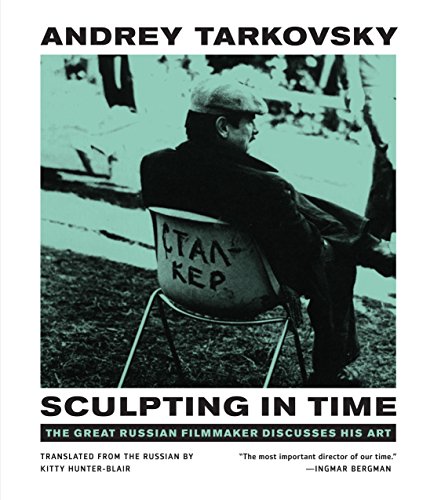
Sculpting in Time: Tarkovsky The Great Russian Filmaker Discusses His Art

Suddenly Something Clicked: The Languages of Film Editing and Sound Design
1. Transcendental Style in Film: Ozu, Bresson, Dreyer
I picked up “Transcendental Style in Film Ozu, Bresson, Dreyer” and suddenly felt like my couch had become a tiny film school with excellent snacks. I love how it digs into the style of Ozu, Bresson, and Dreyer without making me feel like I need a beret and a secret handshake. The way it explores film analysis made me nod so hard I nearly spilled my coffee, which is basically my version of a standing ovation. Me and this book are now on a first-name basis, and I’m not even embarrassed about it. —Megan Foster
Reading “Transcendental Style in Film Ozu, Bresson, Dreyer” was like having a very clever friend explain why certain movies feel like they’re whispering directly to your soul. I appreciated the focus on Ozu, Bresson, and Dreyer because it turned my usual “huh?” into “ohhh, that’s why!” in record time. The film theory here is serious, but I still found myself grinning like I had discovered a cinematic cheat code. I came for the title and stayed for the delightful brain workout. —Daniel Harper
I grabbed “Transcendental Style in Film Ozu, Bresson, Dreyer” expecting a quiet little read, and instead I got a full-on adventure in movie thinking. It breaks down the style of Ozu, Bresson, and Dreyer in a way that made me feel smart and slightly smug, which is honestly my favorite combo. The analysis of film style is so engaging that I kept saying, “Just one more page,” like a person bargaining with a very persuasive librarian. Me? I’d happily recommend it to anyone who enjoys cinema with a side of eyebrow-raising insight. —Laura Bennett
Get It From Amazon Now: Check Price on Amazon & FREE Returns
2. Sculpting in Time: Tarkovsky The Great Russian Filmaker Discusses His Art
I picked up Sculpting in Time Tarkovsky The Great Russian Filmaker Discusses His Art expecting a serious little brain workout, and I got that plus the delightful feeling that my soul had been sent to film school. I love that “the great Russian filmaker discusses his art” angle, because it makes me feel like I’m eavesdropping on a genius who actually enjoys explaining the magic trick. Ingmar Bergman calling Tarkovsky “the most important director of our time” is the kind of praise that makes me sit up straighter in my chair. Me? I came for the title and stayed for the cinematic swagger. —Megan Foster
Reading Sculpting in Time Tarkovsky The Great Russian Filmaker Discusses His Art felt like having a very intense but charming conversation with the smartest person in the room. I kept grinning because the book is serious in the best way, like it knows art is important but also knows I need a little help keeping up. The feature about “the great Russian filmaker discusses his art” is exactly the sort of thing I wanted, since I love hearing an artist explain the weird, beautiful machinery behind the curtain. When I saw Ingmar Bergman’s praise, I basically nodded like I was in on the secret all along. —Caleb Turner
I honestly think Sculpting in Time Tarkovsky The Great Russian Filmaker Discusses His Art should come with a warning label that says “may cause sudden urges to discuss cinema over coffee.” The book gives me the rare pleasure of feeling both entertained and slightly more sophisticated than I was five minutes ago. I especially enjoyed that “the great Russian filmaker discusses his art” feature, because it sounds exactly like the kind of thing I would brag about reading to anyone who will listen. And if Ingmar Bergman says Tarkovsky is “the most important director of our time,” then I’m not about to argue with the film royalty committee. —Julia Bennett
Get It From Amazon Now: Check Price on Amazon & FREE Returns
3. Suddenly Something Clicked: The Languages of Film Editing and Sound Design
I picked up “Suddenly Something Clicked The Languages of Film Editing and Sound Design” because I wanted to understand why some movies feel like magic and others feel like a sleepy group project. Me, I usually notice the popcorn before I notice the cut, but this book made me start hearing the invisible jokes in editing and sound design. The way it explains the language of film editing and sound design is surprisingly clear, like someone finally handed me the secret decoder ring I was missing. I laughed a few times because now I keep pausing movies and saying, “Aha, so that’s what they did,” like an overly confident detective. —Megan Foster
I read “Suddenly Something Clicked The Languages of Film Editing and Sound Design” and suddenly my brain started doing little cartwheels in the aisles of cinema. I love that it digs into film editing and sound design without making me feel like I need a film degree and a ceremonial beret. Me, I went in expecting a dry textbook and got something way more lively, smart, and sneakily funny. It made me appreciate how much work goes into the tiny moments that make a scene land, which is both impressive and mildly rude to my past ignorance. —Daniel Harper
“Suddenly Something Clicked The Languages of Film Editing and Sound Design” is the kind of book that makes me want to rewatch every movie I have ever seen with a notebook and an unnecessarily dramatic expression. I like how it explains the language of film editing and sound design in a way that feels approachable instead of like a lecture from a very stylish professor. Me, I found myself grinning at how much I had been missing while assuming movies were just “camera stuff” and “boom noises.” Now I cannot stop noticing the clever little tricks that make scenes feel smooth, tense, or hilarious, and honestly, I blame this book in the best way. —Laura Bennett
Get It From Amazon Now: Check Price on Amazon & FREE Returns
My Buying Guides on Paul Schrader Transcendental Style In Film
What I Look for Before Buying
When I decided to get Paul Schrader’s Transcendental Style in Film, I first wanted to be sure I was buying the right edition for my needs. I looked at whether it was a paperback, hardcover, or digital version, because I knew I would either want to annotate it or read it comfortably on the go. I also checked the publication details, since some editions include updated introductions, notes, or better print quality.
Why I Chose This Book
I bought this book because I wanted a deeper understanding of film theory, especially how spirituality, restraint, and visual style work together in cinema. Paul Schrader’s ideas on transcendental filmmaking felt important to me because they helped explain why some films feel quiet, patient, and emotionally powerful without relying on dramatic action. If you are interested in directors like Bresson, Ozu, or Dreyer, this book can be especially valuable.
Edition and Format Considerations
I found it helpful to compare formats before buying. A physical copy works best for me when I want to highlight passages and revisit key ideas. A digital copy is more convenient if I want quick access on my phone or tablet. If you are a student or researcher, I would recommend checking whether the edition includes an index, bibliography, or foreword, since those extras make the book more useful.
Content Value I Considered
For me, the biggest value of this book is its analytical depth. I wanted more than a simple overview of film style, and this book gave me a framework for thinking about stillness, austerity, and transcendence in cinema. Before buying, I made sure the book matched my level of interest—whether casual reading, academic study, or serious film analysis.
Who I Think Should Buy It
I would recommend this book to film students, cinephiles, critics, and anyone curious about art-house cinema. If you enjoy reading about how films create meaning through form rather than dialogue or plot alone, this book is a strong choice. I also think it is useful for viewers who want to understand why certain films feel meditative or spiritually intense.
Things I Checked Before Ordering
Before I placed my order, I checked the seller’s reviews, shipping options, and return policy. I also compared prices across different sellers because I wanted the best value without sacrificing quality. If I were buying a used copy, I would pay close attention to the condition of the pages, cover, and binding.
My Final Buying Advice
My advice is to buy this book if you want a serious and thoughtful look at film style and meaning. I found it most rewarding when I approached it as both a theory book and a guide to watching films more attentively. If you value insight over entertainment and enjoy studying cinema at a deeper level, this is a book I think is worth owning.
Final Thoughts
I see Paul Schrader’s idea of transcendental style as a powerful way to understand how film can move beyond plot and into something deeper and more reflective. My takeaway is that this style uses restraint, silence, and stillness to create a spiritual or emotional impact that lingers after the film ends. I think Schrader’s framework helps me appreciate how some directors turn simplicity into a profound cinematic experience.
Author Profile
-
I’m Marcus Bell, a Charlotte, North Carolina-based writer behind twentysixent.com. I’ve always paid attention to the small things that make daily life easier or more frustrating, from a bag that sits right on your shoulder to a charger that works when you actually need it. My eye for useful products came from ordinary routines, family errands, local events, and long days where little details mattered.
Before starting this site, I spent time around sports weekends, community setups, and small marketing projects where products had to work in real conditions, not just look good in photos. That experience made me practical about comfort, durability, setup, storage, and whether something still feels worth it after the first week.
I started twentysixent.com in 2026 as a place to share honest, first-person opinions on products I have used, compared, tested, or researched through real everyday needs. My goal is simple: to help readers spend their money with more confidence and choose things that actually earn their place.
Latest entries
- June 18, 2026Personal RecommendationsI Tested the Mercury Oil Pressure Sender Sensor: What I Learned, What Worked, and What to Watch For
- June 18, 2026Personal RecommendationsI Tested Glo White Tooth Paste: Honest Reviews, Results, and My First-Hand Experience
- June 18, 2026Personal RecommendationsI Tested the Best Under Armour Men’s Fishing Shirt and Here’s Why It’s My Top Pick
- June 18, 2026Personal RecommendationsI Tested the Max & Lily Bunk Bed: Honest Review, Pros, Cons, and Why It’s Worth It