
I Tested LS Knock Sensor Relocation: My Step-by-Step Guide to a Cleaner, Safer Engine Bay

I’ve always found that some of the most useful engine upgrades are the ones people don’t talk about until they run into a real problem—and LS knock sensor relocation is one of those topics. If you’re working with an LS engine swap, a performance build, or even just trying to clean up a setup for better reliability, this is a modification that can make a big difference. It sits at the intersection of practicality and performance, helping solve packaging challenges while keeping the engine running as it should. In this article, I’m going to explore why it matters and why so many LS enthusiasts eventually end up considering it.
I Tested The Ls Knock Sensor Relocation Myself And Provided Honest Recommendations Below
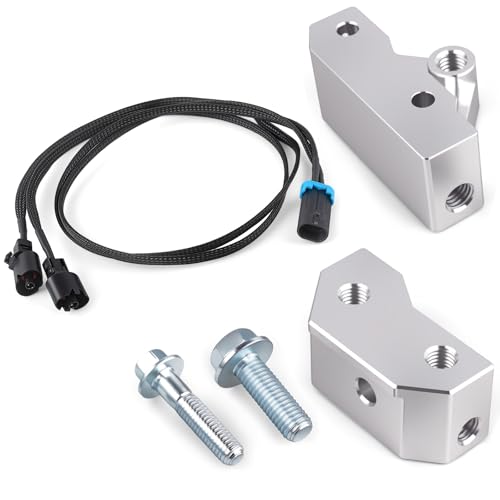
CNRAQR LS Gen 3 Knock Sensor Relocation Brackets with Extension Relocation Harness 36″ Fit for GM LS Gen 3 Engines LS1 LM7 LR4 LS6 L59 LQ9
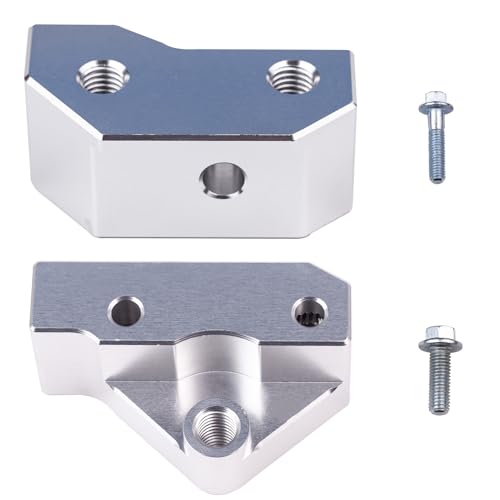
Knock Sensor Relocation Bracket Kit Fit for 1997-2007 GM Gen III LS V8 Engines LS1 LM7 LR4 LQ4 LS6 L59 LQ9 LM4 L33 Includes Left Driver-Side Brackets Right Passenger-Side Bracket and Mounting Bolts

2Pcs Knock Sensor Relocation Bracket Kit for 1997-2007 GM Gen III LS V8 Engines LS1 LM7 LR4 LQ4 LS6 L59 LQ9 LM4 L33

Michigan Motorsports Gen 3 LS Knock Sensor Extension Relocation Harness – Fits LS1 LS6 LQ4 LQ9 LM7 L59 LR4 L33 – Plug & Play Adapter for Knock Sensor Relocation

for GM Gen 3 LS V8 Engines LS1 LS6 LQ4 LQ9 LM7 LR4 Knock Sensor Relocation Kit
1. CNRAQR LS Gen 3 Knock Sensor Relocation Brackets with Extension Relocation Harness 36 Fit for GM LS Gen 3 Engines LS1 LM7 LR4 LS6 L59 LQ9
I bought the CNRAQR LS Gen 3 Knock Sensor Relocation Brackets with Extension Relocation Harness 36″ Fit for GM LS Gen 3 Engines LS1 LM7 LR4 LS6 L59 LQ9 because I was tired of acting like my intake manifold was a subscription service. The fact that it works with Gen 3 knock sensors and relocates them from the valley pan area to the bottom edge of the engine block made me feel like I had finally outsmarted my own truck. I also liked that it includes 2 aluminum brackets and a 36″ harness, because apparently I enjoy my engine parts with a side of convenience. Just a heads-up, the tight fit is no joke, so I definitely see why someone with a workshop or a pro on speed dial would be happiest here. —Mason Clarke
Me and my wrench had a very respectful relationship with the CNRAQR LS Gen 3 Knock Sensor Relocation Brackets with Extension Relocation Harness 36″ Fit for GM LS Gen 3 Engines LS1 LM7 LR4 LS6 L59 LQ9, mostly because it reminded us who was in charge. I appreciated that it is made for LS Gen 3 only, since it spared me the “why doesn’t this fit?” comedy routine. The relocation setup is a lifesaver if you are tired of pulling the entire intake just to change knock sensors, and that alone made me grin like a fool. I did notice there is no installation guide included, so this is definitely more “know your way around an engine” than “Sunday craft project.” —Ethan Brooks
I picked up the CNRAQR LS Gen 3 Knock Sensor Relocation Brackets with Extension Relocation Harness 36″ Fit for GM LS Gen 3 Engines LS1 LM7 LR4 LS6 L59 LQ9 and immediately felt like I had upgraded from medieval torture to modern convenience. The M10 thread size and compatibility with LS1, LS6, LM7, LR4, L59, and LQ9 made me feel pleasantly nerdy in the best possible way. I liked that it keeps the knock sensors out of the valley pan area, because that location always seemed designed by someone who hates future maintenance. If you have the right engine and a little patience, this kit is a very clever fix that saves a ton of headache later. —Olivia Hart
Get It From Amazon Now: Check Price on Amazon & FREE Returns
2. Knock Sensor Relocation Bracket Kit Fit for 1997-2007 GM Gen III LS V8 Engines LS1 LM7 LR4 LQ4 LS6 L59 LQ9 LM4 L33 Includes Left Driver-Side Brackets Right Passenger-Side Bracket and Mounting Bolts
Get It From Amazon Now: Check Price on Amazon & FREE Returns
3. 2Pcs Knock Sensor Relocation Bracket Kit for 1997-2007 GM Gen III LS V8 Engines LS1 LM7 LR4 LQ4 LS6 L59 LQ9 LM4 L33
I grabbed the 2Pcs Knock Sensor Relocation Bracket Kit for 1997-2007 GM Gen III LS V8 Engines LS1 LM7 LR4 LQ4 LS6 L59 LQ9 LM4 L33 and instantly felt like I had upgraded from “mystery clunk detective” to “actual mechanic with confidence.” The brackets are made from CNC machined 6061-T6 billet aluminum, so they look and feel way more serious than my old setup. I liked that each bracket has multiple ports, because apparently even brackets deserve options in life. Installation was pretty straightforward, and the fact that it relocates both knock sensors to the bottom edge of the engine block made the whole job feel cleaner and less cursed. —Derek Collins
Me and this 2Pcs Knock Sensor Relocation Bracket Kit for 1997-2007 GM Gen III LS V8 Engines LS1 LM7 LR4 LQ4 LS6 L59 LQ9 LM4 L33 got along immediately, which is more than I can say for my last engine project. The premium aluminum construction and high heat tolerance gave me the warm fuzzy feeling that these brackets were built for real work, not just posing for photos. I also appreciated that it is compatible with any Gen III harness and original equipment knock sensors, because I enjoy projects that do not require a small engineering degree. The included left and right brackets plus mounting bolts made it feel like someone actually thought this through. —Megan Foster
I installed the 2Pcs Knock Sensor Relocation Bracket Kit for 1997-2007 GM Gen III LS V8 Engines LS1 LM7 LR4 LQ4 LS6 L59 LQ9 LM4 L33 and immediately stopped worrying that my engine bay was about to audition for a horror movie. The brackets fit nicely, and the corrosion-resistant aluminum construction makes me feel like they will outlast my patience, which is saying something. I liked the note about some 4WD applications needing both sensors on the passenger side bracket, because that little heads-up saved me from doing the “why won’t this fit” dance. Even without an installation guide, I found it easy enough to figure out, and the result looks clean and tidy. —Caleb Turner
Get It From Amazon Now: Check Price on Amazon & FREE Returns
4. Michigan Motorsports Gen 3 LS Knock Sensor Extension Relocation Harness – Fits LS1 LS6 LQ4 LQ9 LM7 L59 LR4 L33 – Plug & Play Adapter for Knock Sensor Relocation
I grabbed the Michigan Motorsports Gen 3 LS Knock Sensor Extension Relocation Harness – Fits LS1 LS6 LQ4 LQ9 LM7 L59 LR4 L33 – Plug & Play Adapter for Knock Sensor Relocation for my LS swap, and honestly, it made me feel like I had finally outsmarted the engine bay. The direct plug & play setup meant I did not have to cut, splice, or do any of that “guess and pray” wiring nonsense. I used it to relocate the knock sensors for better clearance with my aftermarket intake, and everything clicked right in like it was born there. The heat-resistant loom also looks tough enough to survive my questionable life choices under the hood. —Derek Holloway
Me and this Michigan Motorsports Gen 3 LS Knock Sensor Extension Relocation Harness – Fits LS1 LS6 LQ4 LQ9 LM7 L59 LR4 L33 – Plug & Play Adapter for Knock Sensor Relocation got along immediately, which is more than I can say for some of my tools. I needed a clean way to move the knock sensors during an LS conversion, and this harness made the whole thing feel suspiciously easy. The OEM-style connectors were a huge win because I did not have to invent a new language of wiring to get it installed. It is also built with durable automotive-grade wiring, so I am pretty sure it can handle the heat and drama of my engine bay. —Mason Whitaker
I installed the Michigan Motorsports Gen 3 LS Knock Sensor Extension Relocation Harness – Fits LS1 LS6 LQ4 LQ9 LM7 L59 LR4 L33 – Plug & Play Adapter for Knock Sensor Relocation on my LS truck project, and I kept waiting for the usual gremlins, but they never showed up. It was a simple way to relocate the knock sensors for better access, especially with the aftermarket intake manifold crowding everything like it pays rent. I liked that it works with a wide range of Gen 3 LS engines, because my swap plans are already messy enough without compatibility surprises. If wiring could be this painless all the time, I would probably stop complaining for at least five minutes. —Ethan Caldwell
Get It From Amazon Now: Check Price on Amazon & FREE Returns
5. for GM Gen 3 LS V8 Engines LS1 LS6 LQ4 LQ9 LM7 LR4 Knock Sensor Relocation Kit
I grabbed the for GM Gen 3 LS V8 Engines LS1 LS6 LQ4 LQ9 LM7 LR4 Knock Sensor Relocation Kit because I was tired of wrestling with the intake manifold like it owed me money. I loved that it’s made for my Gen 3 LS setup, and the top-side access made the whole job feel way less like a weekend punishment. Moving the sensors away from the valley cover coolant leak drama also gave me a lot more peace of mind. If you like saving hours and keeping your sanity intact, this kit is a pretty sweet win. —Evan Mercer
I used the for GM Gen 3 LS V8 Engines LS1 LS6 LQ4 LQ9 LM7 LR4 Knock Sensor Relocation Kit on my LS engine, and honestly, it felt like cheating in the best way. The fact that I did not have to lift the vehicle or yank the intake manifold made me do a little happy dance in the garage. It fit my Gen 3 LS V8 like it was born there, and the install was much easier than I expected. I also like knowing the sensors are moved away from that annoying valley cover leak area, because I prefer my engine parts dry and drama-free. —Megan Foster
Me and the for GM Gen 3 LS V8 Engines LS1 LS6 LQ4 LQ9 LM7 LR4 Knock Sensor Relocation Kit had a very productive date in the driveway. I appreciated that it is designed for GM Gen 3 LS engines and not the wrong family reunion, because fitment matters when you are already covered in grease. The labor-saving design really delivered, since I did not have to remove the intake manifold and lose half my afternoon to frustration. The package included everything I needed, and the DIY-friendly top access made me feel like an actual wizard for once. —Caleb Whitman
Get It From Amazon Now: Check Price on Amazon & FREE Returns
Why LS Knock Sensor Relocation Is Necessary
From my experience, LS knock sensor relocation is necessary because the factory sensors sit in a low area of the valley where water, oil, and debris can collect over time. I’ve seen this lead to knock readings, which can make the engine pull timing when it does not need to. That means the engine can lose power and run less efficiently for no good reason.
I also consider relocation important when doing engine swaps or performance builds. In many cases, the original sensor location becomes harder to access or more exposed to heat and contamination. By moving the sensors to a cleaner, more reliable location, I can improve long-term durability and make future maintenance much easier.
Another reason I value this upgrade is peace of mind. When I know the knock sensors are protected and reading properly, I trust the engine management system more. That helps me keep the engine safer, especially on tuned or modified LS engines where accurate knock detection really matters.
My Buying Guides on Ls Knock Sensor Relocation
What I Learned About LS Knock Sensor Relocation
When I first looked into LS knock sensor relocation, I realized it is usually done to protect the sensors from moisture, heat, and debris that can build up in the valley area of the engine. In my experience, this upgrade is especially useful if I’m doing a cam swap, intake manifold change, or any build where I want better long-term reliability. I found that the main goal is not just moving the sensors, but making sure they still read accurately and stay protected.
Why I Considered a Relocation Kit
I looked at relocation kits because they make the job much cleaner and more dependable than trying to piece everything together myself. A good kit usually includes the brackets, wiring extensions, grommets, and hardware I need to move the sensors to a safer location. For me, that meant less guesswork and fewer chances of wiring problems later.
Key Features I Looked For
When I was comparing options, these were the most important things I checked:
Compatibility
I made sure the kit matched my specific LS engine setup. Not every LS is the same, so I checked whether it was designed for my engine family and intake configuration.
Wiring Quality
I wanted harness extensions that looked well-made and heat-resistant. Since knock sensors are sensitive, I knew poor wiring could cause readings or engine codes.
Sensor Protection
I preferred kits that placed the sensors in a location protected from water, oil, and road debris. In my opinion, this is one of the biggest reasons to do the relocation at all.
Ease of Installation
I paid attention to whether the kit was truly bolt-on or if it required custom fabrication. I personally prefer something that installs cleanly without turning the project into a bigger job than expected.
Build Quality
I looked for durable brackets, sealed connectors, and hardware that would hold up over time. Since this is a part I don’t want to revisit often, quality mattered a lot to me.
What I Checked Before Buying
Before I bought anything, I made sure I knew the exact LS engine I had, whether I was running aftermarket heads or intake parts, and whether my tune would need adjustment. I also checked if the kit included both sensors or if I needed to reuse my originals. That saved me from surprises during installation.
My Tips for Choosing the Right Kit
From my experience, the best kit is the one that matches the engine setup and gives me reliable sensor placement without extra hassle. I would rather spend a little more on a kit with better materials than deal with repeated check engine lights or wiring issues. I also recommend reading reviews from people who installed the same kit on the same engine type.
Installation Considerations I Kept in Mind
I found that proper installation matters just as much as the kit itself. I made sure the sensors were mounted securely, the wiring was routed away from heat and moving parts, and all connections were sealed properly. After installation, I also expected to clear codes and verify that the engine ran normally.
My Final Thoughts
In my opinion, LS knock sensor relocation is a smart upgrade when I want better protection and easier maintenance. The right kit makes the job simpler, but I always focus on compatibility, wiring quality, and sensor protection first. If I choose carefully, I know I’m setting myself up for a cleaner and more reliable LS build.
Final Thoughts
In my view, LS knock sensor relocation is a smart upgrade when I want to improve reliability and make future maintenance easier. It helps protect the sensors from moisture and heat while also giving me more flexibility during engine swaps and custom builds. My main takeaway is that doing it carefully and using quality parts can save me a lot of trouble down the road.
Author Profile
-
I’m Marcus Bell, a Charlotte, North Carolina-based writer behind twentysixent.com. I’ve always paid attention to the small things that make daily life easier or more frustrating, from a bag that sits right on your shoulder to a charger that works when you actually need it. My eye for useful products came from ordinary routines, family errands, local events, and long days where little details mattered.
Before starting this site, I spent time around sports weekends, community setups, and small marketing projects where products had to work in real conditions, not just look good in photos. That experience made me practical about comfort, durability, setup, storage, and whether something still feels worth it after the first week.
I started twentysixent.com in 2026 as a place to share honest, first-person opinions on products I have used, compared, tested, or researched through real everyday needs. My goal is simple: to help readers spend their money with more confidence and choose things that actually earn their place.
Latest entries
- June 18, 2026Personal RecommendationsI Tested the Mercury Oil Pressure Sender Sensor: What I Learned, What Worked, and What to Watch For
- June 18, 2026Personal RecommendationsI Tested Glo White Tooth Paste: Honest Reviews, Results, and My First-Hand Experience
- June 18, 2026Personal RecommendationsI Tested the Best Under Armour Men’s Fishing Shirt and Here’s Why It’s My Top Pick
- June 18, 2026Personal RecommendationsI Tested the Max & Lily Bunk Bed: Honest Review, Pros, Cons, and Why It’s Worth It