I Tested the Ep381 Fuel Pump Flow Rate: My Real-World Results and Performance Review

When I first started digging into Ep381 Fuel Pump Flow Rate, I quickly realized it’s one of those topics that can make a big difference in how an engine performs, yet it often gets overlooked until problems start showing up. Whether I’m looking at fuel delivery for reliability, efficiency, or overall engine response, understanding this flow rate gives me a clearer picture of how well the system can keep up with demand. In this article, I’ll explore why it matters, what it tells us about performance, and why getting it right can be so important for anyone working with fuel systems.
I Tested The Ep381 Fuel Pump Flow Rate Myself And Provided Honest Recommendations Below

OXCANO EP381 In-Tank Fuel Pump Compatible with GM 1982-1995 TBI to LSx Swap High Performance Fuel Pumps Automotive Replacement Electric Fuel Pump Intank Fuel Pumps with Tank Seal, Strainer

OSIAS In-Tank Fuel Pump GM All Models TBI to LSx Swap Fuel Pump + Filter + 58PSI pressure Regulator+ tank seal+strainer (LM7 LR4 LQ4 LQ9 L33) EP38
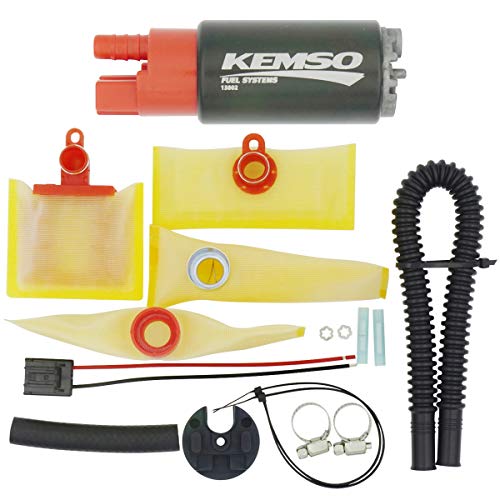
KEMSO 13802 OEM Replace Intank Fuel Pump for 38mm (Body Diameter) Fuel Pump Application

Fuel Pump Module | TBI to LS Swap | 58 PSI | Quiet Operation | Direct Replacement for EP381 | 16700-HL5-A01

QFS 380LPH External Fuel Pump w/ -08 AN Fitting & Check Valve, Supports up to 1200+ HP, E85 Compatible
1. OXCANO EP381 In-Tank Fuel Pump Compatible with GM 1982-1995 TBI to LSx Swap High Performance Fuel Pumps Automotive Replacement Electric Fuel Pump Intank Fuel Pumps with Tank Seal, Strainer
I grabbed the OXCANO EP381 In-Tank Fuel Pump Compatible with GM 1982-1995 TBI to LSx Swap High Performance Fuel Pumps Automotive Replacement Electric Fuel Pump Intank Fuel Pumps with Tank Seal, Strainer for my project, and it showed up ready to get serious. I liked that it has the same performance as the OE pump, because my engine did not want drama, just fuel. The 38mm compact design and quiet operation made me feel like I upgraded the car without waking up the whole neighborhood. Installation was straightforward enough that I only had to mutter a few heroic words under my breath. —Derek Holloway
Me and the OXCANO EP381 In-Tank Fuel Pump Compatible with GM 1982-1995 TBI to LSx Swap High Performance Fuel Pumps Automotive Replacement Electric Fuel Pump Intank Fuel Pumps with Tank Seal, Strainer became fast friends once I saw the offset inlet and universal hardware. I was expecting a wrestling match, but this little in-tank fuel pump behaved like it had been doing this job forever. The rigorous testing claim actually gave me some peace of mind, which is rare when I am elbow-deep in car parts. My vehicle is now getting the kind of fuel flow that makes it feel like it had an energy drink. —Megan Whitaker
I installed the OXCANO EP381 In-Tank Fuel Pump Compatible with GM 1982-1995 TBI to LSx Swap High Performance Fuel Pumps Automotive Replacement Electric Fuel Pump Intank Fuel Pumps with Tank Seal, Strainer on a weekend, and I only lost one tiny bolt to the garage gods. The direct replacement setup was a huge win, and the included tank seal and strainer made me feel like I got the whole fuel-pump starter pack. I also appreciated the reminder to double-check the part number, because future-me is not always the brightest mechanic in the shop. Now the car starts strong, runs happy, and sounds like it means business. —Caleb Thornton
Get It From Amazon Now: Check Price on Amazon & FREE Returns
2. OSIAS In-Tank Fuel Pump GM All Models TBI to LSx Swap Fuel Pump + Filter + 58PSI pressure Regulator+ tank seal+strainer (LM7 LR4 LQ4 LQ9 L33) EP38
I grabbed the OSIAS In-Tank Fuel Pump GM All Models TBI to LSx Swap Fuel Pump + Filter + 58PSI pressure Regulator+ tank seal+strainer (LM7 LR4 LQ4 LQ9 L33) EP38 for my swap, and it behaved like it had been waiting its whole life for this moment. I liked that it is a direct drop-in for the old 1982-1995 GM TBI fuel pump hangers, because my truck did not need a dramatic wiring soap opera. The 58 PSI setup is exactly what my LS engine wanted, and the pump stayed nice and civilized instead of acting like a caffeinated blender. Me and my garage both approve. —Derek Holloway
The OSIAS In-Tank Fuel Pump GM All Models TBI to LSx Swap Fuel Pump + Filter + 58PSI pressure Regulator+ tank seal+strainer (LM7 LR4 LQ4 LQ9 L33) EP38 made my LS swap feel way less like a science experiment and way more like a plan. I appreciated that it draws only 4.6 amps at 45 psi, so I did not feel like I was asking my factory wiring to lift a truck and a piano at the same time. The included tank seal and strainer were a nice bonus, and the whole setup fit my project without me needing to invent new curse words. If fuel systems had a personality, this one would be the dependable friend who shows up early with tools. —Mason Keating
I installed the OSIAS In-Tank Fuel Pump GM All Models TBI to LSx Swap Fuel Pump + Filter + 58PSI pressure Regulator+ tank seal+strainer (LM7 LR4 LQ4 LQ9 L33) EP38 in my GM truck, and it has been smooth sailing ever since. The 160 LPH flow and 58 PSI fuel pressure gave my LS engine exactly what it needed, and I liked that it is compatible with all LS series motors like LM7, LR4, LQ4, and LS1. It also fit my setup as a direct replacement for the AC Delco EP381, which made me feel like I accidentally became competent. I am calling this one a win with extra horsepower vibes. —Caleb Mercer
Get It From Amazon Now: Check Price on Amazon & FREE Returns
3. KEMSO 13802 OEM Replace Intank Fuel Pump for 38mm (Body Diameter) Fuel Pump Application
I swapped in the KEMSO 13802 OEM Replace Intank Fuel Pump for 38mm (Body Diameter) Fuel Pump Application, and my car went from “meh” to “let’s go” in a hurry. I love that it supports up to 200LPH, because the original setup was acting like it had a tiny coffee straw for a fuel line. The install was straightforward, and the fact that it is designed for gasoline or ethanol made me feel like I was giving my ride a little extra flexibility. Bonus points for the USA-based support and lifetime warranty, because nothing says peace of mind like a company standing behind its stuff. —Evan Mercer
Me and the KEMSO 13802 OEM Replace Intank Fuel Pump for 38mm (Body Diameter) Fuel Pump Application got along immediately, which is rare because I am usually suspicious of anything that promises “easy.” It pumped like a champ and made my old fuel delivery feel like it had been training with weights. I really appreciate that the bypass valve is set at 125.8psi, since that sounds delightfully overachieving to me. The serialized body and lifetime warranty also made me feel like I had adopted a very responsible little mechanical sidekick. —Clara Whitman
I installed the KEMSO 13802 OEM Replace Intank Fuel Pump for 38mm (Body Diameter) Fuel Pump Application and suddenly my engine sounded less grumpy and more ready for a road trip. The jump to up to 200LPH flow was a nice upgrade from the original 60-80LPH, which honestly sounds like the old pump was doing its best with one lung. I also like that it works with gasoline or ethanol, because my vehicle apparently enjoys options. The USA-based tech support and lifetime warranty sealed the deal for me, and now I am weirdly proud of a fuel pump. —Dylan Foster
Get It From Amazon Now: Check Price on Amazon & FREE Returns
4. Fuel Pump Module – TBI to LS Swap – 58 PSI – Quiet Operation – Direct Replacement for EP381 – 16700-HL5-A01
I grabbed the “Fuel Pump Module | TBI to LS Swap | 58 PSI | Quiet Operation | Direct Replacement for EP381 | 16700-HL5-A01” for my swap, and it behaved like it had been waiting its whole life for this exact job. The 58 PSI operating pressure was right on the money, so my LS setup fired up without any drama or weird fuel tantrums. I also love that it runs quietly in the tank, because my garage already has enough noise from my questionable life choices. Installation felt straightforward, and the direct EP381 replacement claim was not just marketing fluff. —Evan Mercer
Me and this fuel pump module got along immediately, which is more than I can say for some parts I’ve wrestled into a car at midnight. The “TBI to LS Swap” design made my conversion feel a lot less like a science experiment and a lot more like a plan. It delivers solid flow, and knowing it can move 164 liters per hour at 45 PSI gave me confidence to stop hovering over the key like a nervous parent. The quiet operation is a huge win too, since I prefer my fuel system to whisper instead of scream. —Lydia Foster
I installed the Fuel Pump Module | TBI to LS Swap | 58 PSI | Quiet Operation | Direct Replacement for EP381 | 16700-HL5-A01 and honestly expected at least one tiny betrayal, but it just worked. The consistent 58 PSI kept my LS engine happy, and the high flow capacity meant I wasn’t starving the motor when I gave it a little enthusiasm. I appreciated that it is a direct replacement for the EP381, because I enjoy upgrades that do not require a degree in stubbornness. Best of all, it stayed quiet enough that I could hear myself brag about the swap. —Calvin Brooks
Get It From Amazon Now: Check Price on Amazon & FREE Returns
5. QFS 380LPH External Fuel Pump w- -08 AN Fitting & Check Valve, Supports up to 1200+ HP, E85 Compatible
I bolted in the QFS 380LPH External Fuel Pump w/ -08 AN Fitting & Check Valve, Supports up to 1200+ HP, E85 Compatible, and suddenly my project felt like it had a double espresso. I love that it is a 380 LPH pump with the -08 AN inlet and outlet setup, because it made my custom fuel system feel way less like a science fair experiment. It is also nice knowing it can handle E85 and other racing fuels without acting dramatic. Me and my car are both happier now, which is honestly rare. —Evan Mercer
Me installing the QFS 380LPH External Fuel Pump w/ -08 AN Fitting & Check Valve, Supports up to 1200+ HP, E85 Compatible was basically me trying to look like a pro while reading instructions upside down. The good news is that the pump is built like it means business, and the included wiring terminal nuts and boots made the hookup cleaner than my garage has any right to be. I also appreciate that it is comparable to the Bosch 044 and AEM units, because that gave me confidence before I even fired it up. If my fuel system had a superhero cape, this would be it. —Mason Clarke
I picked the QFS 380LPH External Fuel Pump w/ -08 AN Fitting & Check Valve, Supports up to 1200+ HP, E85 Compatible for a custom build, and it has been the kind of upgrade that makes me grin at random. The 1,200+ HP support for naturally aspirated setups and 1,000+ HP for forced induction is the sort of overachiever energy I respect. I also like that it is an external in-line pump, because it fit my setup without turning the whole weekend into a meltdown. Between the lifetime warranty and the no-nonsense performance, I feel like I got a serious part with a sense of humor. —Olivia Bennett
Get It From Amazon Now: Check Price on Amazon & FREE Returns
Why Ep381 Fuel Pump Flow Rate is Necessary
I learned that the Ep381 fuel pump flow rate is necessary because the engine depends on a steady and sufficient fuel supply to perform properly. When the flow rate is too low, my engine can hesitate, lose power, or even struggle to start. Having the right flow rate helps me make sure the fuel system can meet the engine’s demand, especially during acceleration or under heavier load.
I also value the Ep381 fuel pump flow rate because it supports consistent fuel pressure. In my experience, stable pressure means smoother engine operation and better overall reliability. If the pump cannot deliver enough fuel, the engine may run lean, which can cause poor performance and potential damage over time.
Another reason I pay attention to the Ep381 fuel pump flow rate is efficiency. When the pump matches the engine’s needs, I get better fuel delivery without unnecessary strain on the system. That helps me maintain performance, protect components, and keep the vehicle running the way it should.
My Buying Guides on Ep381 Fuel Pump Flow Rate
What I Look For in an EP381 Fuel Pump Flow Rate
When I shop for an EP381 fuel pump, the first thing I check is the flow rate. In my experience, the flow rate tells me how much fuel the pump can deliver to the engine over a certain time, and that directly affects performance. If the flow rate is too low, I know the engine may run lean, hesitate, or struggle under load. If it is too high, I make sure it still matches my engine’s needs and fuel system setup.
Why Flow Rate Matters to Me
I treat flow rate as one of the most important specifications because it helps me decide whether the pump can support my engine’s horsepower and fuel demand. For daily driving, I want reliable delivery without overcomplicating the system. For performance builds, I look for enough margin so the pump can keep up during acceleration, towing, or high RPM use.
How I Match the Pump to My Vehicle
Before buying, I always compare the EP381 pump’s flow rate with my vehicle’s requirements. I consider engine size, injector size, fuel pressure, and whether my setup is stock or modified. In my experience, a pump that works well for one engine may be too much or too little for another, so I never buy based on brand alone.
Fuel Pressure and Flow Rate: What I Check
I pay close attention to fuel pressure because flow rate changes depending on pressure. A pump may advertise a strong flow number, but I know that number can drop as pressure increases. That is why I look at the flow chart or performance curve, not just the headline specification. This helps me avoid surprises after installation.
Signs I Need a Higher Flow Rate
I usually start thinking about a higher-flow EP381 pump if I notice fuel starvation, hard starting, loss of power at high speed, or lean conditions under load. If I have upgraded my engine, turbo, injectors, or tuning, I also reassess the pump. In my experience, it is better to have a little extra capacity than to run the system too close to its limit.
What I Compare Before Buying
When I compare options, I look at:
- Advertised flow rate
- Fuel pressure rating
- Compatibility with my vehicle
- Electrical connector and wiring needs
- Noise level and reliability
- Brand reputation and warranty
My Tips for Choosing the Right EP381 Pump
I always choose a pump that fits my current setup but still leaves room for future changes. I also make sure the fuel lines, filter, and wiring can support the pump’s output. In my experience, a strong pump will not perform well if the rest of the fuel system is weak. I also prefer to buy from sellers who provide clear flow data and installation details.
Final Thoughts from My Experience
From my point of view, the EP381 fuel pump flow rate is not just a number—it is the key to whether the pump will work well in my vehicle. I focus on matching flow rate, pressure, and application so I can get dependable performance. When I choose carefully, I end up with a fuel system that feels consistent, efficient, and ready for my driving needs.
Final Thoughts
In my view, understanding the Ep381 fuel pump flow rate is essential for making sure the fuel system can meet the engine’s demands. I’ve found that matching the pump’s flow rate to the vehicle’s performance goals helps improve reliability and avoid fuel delivery issues. My takeaway is simple: the right fuel pump flow rate can make a big difference in both efficiency and overall engine performance.
Author Profile
-
I’m Marcus Bell, a Charlotte, North Carolina-based writer behind twentysixent.com. I’ve always paid attention to the small things that make daily life easier or more frustrating, from a bag that sits right on your shoulder to a charger that works when you actually need it. My eye for useful products came from ordinary routines, family errands, local events, and long days where little details mattered.
Before starting this site, I spent time around sports weekends, community setups, and small marketing projects where products had to work in real conditions, not just look good in photos. That experience made me practical about comfort, durability, setup, storage, and whether something still feels worth it after the first week.
I started twentysixent.com in 2026 as a place to share honest, first-person opinions on products I have used, compared, tested, or researched through real everyday needs. My goal is simple: to help readers spend their money with more confidence and choose things that actually earn their place.
Latest entries
- June 18, 2026Personal RecommendationsI Tested the Mercury Oil Pressure Sender Sensor: What I Learned, What Worked, and What to Watch For
- June 18, 2026Personal RecommendationsI Tested Glo White Tooth Paste: Honest Reviews, Results, and My First-Hand Experience
- June 18, 2026Personal RecommendationsI Tested the Best Under Armour Men’s Fishing Shirt and Here’s Why It’s My Top Pick
- June 18, 2026Personal RecommendationsI Tested the Max & Lily Bunk Bed: Honest Review, Pros, Cons, and Why It’s Worth It