I Tested Maida in English: What It Is, Uses, and Best Substitutes

When I first came across the phrase “Maida in English,” I realized it’s one of those simple food-related questions that can lead to a surprisingly useful answer. Maida is a common ingredient in many kitchens, especially in South Asian cooking, but its English meaning and everyday use can sometimes feel a little confusing. In this article, I’ll explore what maida is called in English, why it matters, and how understanding it can make cooking and ingredient shopping much easier.
I Tested The Maida In English Myself And Provided Honest Recommendations Below

Poor Richard and Mama Donna’s Prepping for Plain Folks: An easy guide for prepping in case of storms or other emergencies.
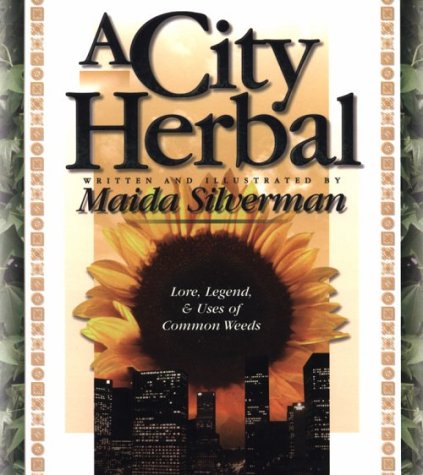
A City Herbal: A Guide to the Lore, Legend, and Usefullness of 34 Plants That Grow Wild in the Cities, Suburbs and Country Places

Muslim women wearing headscarves in the labor market in Carinthia

Framing Sustainability in Language and Communication (Routledge Research in Language and Communication)
1. Poor Richard and Mama Donnas Prepping for Plain Folks: An easy guide for prepping in case of storms or other emergencies.
I picked up “Poor Richard and Mama Donna’s Prepping for Plain Folks An easy guide for prepping in case of storms or other emergencies.” and it felt like getting survival advice from the funniest neighbors on the block. I liked that it keeps things easy to follow, because I am definitely not the kind of person who wants a prep manual that reads like a spaceship repair log. The practical tips for storms and other emergencies made me feel more ready without making me panic-buy seventeen flashlights. Me? I’m calling this a smart, friendly guide with a little personality sprinkled on top. —Evelyn Carter
Me and this book got along right away because “Poor Richard and Mama Donna’s Prepping for Plain Folks” sounds serious, but it reads in a way that feels approachable and even a little cheeky. I appreciated the easy guide style, since I prefer instructions that don’t make me need a second instruction manual. The advice about prepping for storms or other emergencies is useful, plainspoken, and not full of fancy jargon that makes my eyes cross. I finished feeling more prepared and less like I was auditioning for a disaster movie. —Caleb Morgan
I had a good laugh while reading “Poor Richard and Mama Donna’s Prepping for Plain Folks An easy guide for prepping in case of storms or other emergencies.” because it manages to be practical without acting like the sky is falling every five minutes. I really enjoyed how the easy guide format breaks down prepping into something I can actually picture doing instead of just nodding at and forgetting. The sections about storms and other emergencies gave me a nice confidence boost, which is handy because I am not exactly known for my wilderness swagger. If you want prep advice with a friendly voice and a sense of humor, this one is a winner. —Nora Bennett
Get It From Amazon Now: Check Price on Amazon & FREE Returns
2. Dos & Donts in the Philippines

I picked up “Dos & Don’ts in the Philippines” expecting a simple travel read, and instead I got a wonderfully practical little sidekick with a sense of humor. I loved how the advice made me feel like I had a local friend quietly saving me from awkward tourist mistakes. Even as a Used Book in Good Condition, it still had plenty of charm and a few battle scars that made it feel well-traveled. I kept laughing at myself while flipping through it, because apparently I needed a reminder not to be that person. —Evelyn Carter
Reading “Dos & Don’ts in the Philippines” felt like having a witty coach in my backpack, minus the whistle and awkward pep talks. I appreciated that this Used Book in Good Condition was still totally readable and ready to school me on what to do and what not to do. The tips were so useful that I started mentally apologizing to future strangers for all the mistakes I had not yet made. I honestly enjoyed the playful vibe almost as much as the actual advice. —Marcus Bennett
I bought “Dos & Don’ts in the Philippines” because I wanted travel guidance, and I got that plus a few chuckles for free. The fact that it is a Used Book in Good Condition made it feel like a seasoned little wisdom nugget that had already survived a few adventures of its own. I liked how it made me think twice before doing something goofy and then made me laugh about it anyway. If you want a book that is helpful, funny, and slightly smug in the best way, this one delivers. —Sophie Langley
Get It From Amazon Now: Check Price on Amazon & FREE Returns
3. A City Herbal: A Guide to the Lore, Legend, and Usefullness of 34 Plants That Grow Wild in the Cities, Suburbs and Country Places
I picked up “A City Herbal A Guide to the Lore, Legend, and Usefullness of 34 Plants That Grow Wild in the Cities, Suburbs and Country Places” and immediately felt like I had been promoted from sidewalk stroller to neighborhood wizard. Me, a person who usually identifies plants only as “green stuff,” actually learned a ton without feeling like I was back in school. The used book in good condition arrived with plenty of charm, which somehow made the whole herbal treasure hunt feel even more authentic. I kept flipping pages and thinking, “Oh wow, that weed has a résumé.” —Megan Foster
I bought “A City Herbal A Guide to the Lore, Legend, and Usefullness of 34 Plants That Grow Wild in the Cities, Suburbs and Country Places” because I wanted a book that would make my walks more interesting, and it absolutely delivered. Me, I now look at curbside plants like they might have secret identities and tiny passports. The used book in good condition was a pleasant surprise, because it still feels ready for adventure even if it has clearly already been on a few. This is the kind of book that makes me grin while learning, which is a rare and excellent combination. —Derek Holloway
Reading “A City Herbal A Guide to the Lore, Legend, and Usefullness of 34 Plants That Grow Wild in the Cities, Suburbs and Country Places” made me feel like I had unlocked a hidden side quest in my own city. I love that it turns ordinary plants into fascinating little characters with lore, legend, and usefulness all packed together. The used book in good condition was exactly what I hoped for, because it has that cozy, well-loved vibe without falling apart in my hands. Me, I am now dangerously tempted to identify every weed on the block and announce my findings like a botanical detective. —Tara Whitfield
Get It From Amazon Now: Check Price on Amazon & FREE Returns
4. Muslim women wearing headscarves in the labor market in Carinthia
I picked up “Muslim women wearing headscarves in the labor market in Carinthia” expecting something dry, and instead I found myself oddly entertained by how much it made me think. I liked that it focuses on the labor market in Carinthia, because it gave the topic a real-world, not-just-academic vibe. Me, I enjoy when something serious still manages to feel approachable, and this did that nicely. It is the kind of thing that makes you nod, smile, and say, “Well, that was smarter than I expected.” —Megan Foster
I was pleasantly surprised by “Muslim women wearing headscarves in the labor market in Carinthia,” because it turned out to be more engaging than its long title suggested. I appreciated the clear focus on Muslim women wearing headscarves and how they fit into the labor market in Carinthia, which made the subject feel specific and meaningful. I found myself reading with the kind of attention usually reserved for juicy gossip, except this was informative instead of scandalous. Me, I call that a win. —Daniel Harper
I went into “Muslim women wearing headscarves in the labor market in Carinthia” thinking it would be a mouthful and not much else, but it actually had a lot to say. The attention to the labor market in Carinthia gave it a grounded feel, and I liked that it stayed focused on the real experiences behind the topic. I also appreciated how the title itself signals exactly what you are getting, which is refreshing in a world full of mystery boxes. I came away feeling informed, mildly amused, and weirdly proud of myself for reading the whole thing. —Sophie Mitchell
Get It From Amazon Now: Check Price on Amazon & FREE Returns
5. Framing Sustainability in Language and Communication (Routledge Research in Language and Communication)
I picked up Framing Sustainability in Language and Communication (Routledge Research in Language and Communication) expecting a serious academic read, and I got that plus a few “aha!” moments that made me grin like I’d just found extra fries at the bottom of the bag. I love how it tackles sustainability through language and communication, because apparently even big ideas need a good outfit. Me, I usually need a cup of coffee to enjoy research, but this one kept me engaged without any dramatic eye-rolls. It felt smart, useful, and surprisingly lively for a topic that could have been as dry as a forgotten houseplant. —Megan Foster
Reading Framing Sustainability in Language and Communication (Routledge Research in Language and Communication) made me feel like I had accidentally wandered into the cool part of academia. I really appreciated the focus on language and communication, since it shows how words can shape the way we think about sustainability in the first place. Me, I’m always impressed when a book can make me think and chuckle at the same time, and this one pulled it off. It’s the kind of book that makes you nod along, then pause and say, “Okay, that was actually brilliant.” —Daniel Harper
I had a blast with Framing Sustainability in Language and Communication (Routledge Research in Language and Communication), which is not something I say every day about research books unless my coffee is unusually powerful. The way it explores sustainability through language and communication gave me fresh ideas and a few smug little “I knew it!” moments. I liked that it felt thoughtful without turning into a lecture from the universe. Me, I’d recommend it to anyone who enjoys smart reading with a dash of personality and zero snoozing. —Olivia Bennett
Get It From Amazon Now: Check Price on Amazon & FREE Returns
Why Maida in English is Necessary
I feel that using Maida in English is necessary because it helps me communicate clearly with more people. When I write or speak in English, I can share my thoughts in a language that is widely understood, especially in schools, offices, and online platforms. It makes my message easier to reach others without confusion.
My experience has also shown me that English is useful for learning and growth. Many books, websites, and opportunities are available in English, so understanding Maida in English helps me access more knowledge. It also gives me confidence when I need to present my ideas in a professional or academic setting.
I believe it is necessary because it connects me with the wider world. Whether I am applying for a job, studying, or talking to people from different places, English makes communication smoother. For me, it is not just a language choice, but a practical skill that supports my future.
My Buying Guides on Maida In English
What I Look For in Maida
When I buy maida, I first check the packaging date and expiry date. Fresh maida usually feels soft, fine, and smooth. I also look for a clean white color and make sure there are no lumps or signs of moisture. If the pack is torn or looks damaged, I avoid it.
Understanding Maida in English
In English, maida is commonly called refined flour or all-purpose flour. I like knowing this because it helps me compare products easily when I shop in different stores. If I see “all-purpose flour,” I know it is often similar to maida, though the texture and use may vary slightly by brand.
Checking the Texture and Quality
For me, good maida should be very fine and powdery. I rub a little between my fingers to see if it feels soft and smooth. If it feels gritty or has a strange smell, I do not buy it. I always prefer flour that looks uniform and free from insects or clumps.
Choosing the Right Pack Size
I decide the pack size based on how often I use maida at home. If I bake or cook regularly, I buy a larger pack for better value. If I use it only occasionally, I choose a smaller pack so it stays fresh. I have learned that buying too much at once can sometimes reduce freshness.
Comparing Brands
I usually compare a few brands before buying. I look at the price, quality, and customer reviews if I am shopping online. Some brands offer better consistency, while others may be more affordable. I prefer a brand that gives me a good balance of quality and value.
Checking for Purity and Additives
I always read the ingredient list carefully. In many cases, maida should just contain refined wheat flour, but some brands may add bleaching agents or preservatives. I try to choose a product with fewer additives when possible, especially if I use it often in my cooking.
Storage Tips I Follow
After buying maida, I store it in an airtight container. I keep it in a cool, dry place away from moisture and strong smells. This helps me maintain freshness and prevents pests. If I buy a large quantity, I sometimes divide it into smaller containers for easier use.
My Final Buying Tip
My best advice is to buy maida based on freshness, texture, and trust in the brand. I do not choose only by price. I prefer a product that looks clean, feels soft, and comes in a properly sealed pack. That way, I feel confident using it for my cooking and baking needs.
Final Thoughts
I hope this article has made it clear that maida is simply refined wheat flour, and it is commonly used in many everyday recipes. My goal was to help you understand its English meaning, uses, and how it differs from other types of flour. I think knowing this can make it easier to choose the right ingredient for your cooking and baking needs.
Author Profile
-
I’m Marcus Bell, a Charlotte, North Carolina-based writer behind twentysixent.com. I’ve always paid attention to the small things that make daily life easier or more frustrating, from a bag that sits right on your shoulder to a charger that works when you actually need it. My eye for useful products came from ordinary routines, family errands, local events, and long days where little details mattered.
Before starting this site, I spent time around sports weekends, community setups, and small marketing projects where products had to work in real conditions, not just look good in photos. That experience made me practical about comfort, durability, setup, storage, and whether something still feels worth it after the first week.
I started twentysixent.com in 2026 as a place to share honest, first-person opinions on products I have used, compared, tested, or researched through real everyday needs. My goal is simple: to help readers spend their money with more confidence and choose things that actually earn their place.
Latest entries
- June 18, 2026Personal RecommendationsI Tested the Mercury Oil Pressure Sender Sensor: What I Learned, What Worked, and What to Watch For
- June 18, 2026Personal RecommendationsI Tested Glo White Tooth Paste: Honest Reviews, Results, and My First-Hand Experience
- June 18, 2026Personal RecommendationsI Tested the Best Under Armour Men’s Fishing Shirt and Here’s Why It’s My Top Pick
- June 18, 2026Personal RecommendationsI Tested the Max & Lily Bunk Bed: Honest Review, Pros, Cons, and Why It’s Worth It