I Tested the Best SCSI to USB Adapter: My Honest Experience and Top Pick

I’ve always found it fascinating how a small adapter can breathe new life into older technology, and that’s exactly why the SCSI to USB adapter is such an interesting topic. It bridges the gap between legacy SCSI devices and modern computers, making it possible to reconnect with hardware that might otherwise be left behind. Whether I’m thinking about preserving important data, accessing vintage equipment, or simply extending the usefulness of older devices, this kind of adapter represents a practical and surprisingly valuable solution in a world that’s constantly moving toward newer standards.
I Tested The Scsi To Usb Adapter Myself And Provided Honest Recommendations Below

SABRENT USB to Parallel IEEE 1284 Printer Cable Adapter (CB-CN36)

StarTech SATA to USB Adapter, USB 5Gbps to 2.5in SATA III Hard Drive Reader, HDD SSD to USB-A Adapter Cable for Windows Laptops and Macbooks

GXMRHWY USB to Scsi HPCN Male 36Pin Printer Cable 2Meter

SATA to USB Adapter with Power, USB 3.0 to SATA III Internal Hard Drive Reader for 2.5″SSD/3.5″HDD Up to 20TB Converter Cable with 12V DC Adapter Supply Support UASP Seagate WD Hitachi Toshiba
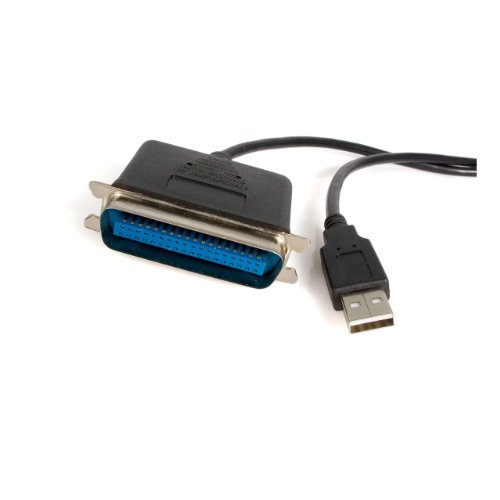
StarTech.com 6 ft. (1.8 m) USB to Parallel Port Adapter – IEEE-1284 – Male/Male – USB to Centronics Cable (ICUSB1284)
1. SABRENT USB to Parallel IEEE 1284 Printer Cable Adapter (CB-CN36)
I bought the SABRENT USB to Parallel IEEE 1284 Printer Cable Adapter (CB-CN36) because my old printer was acting like a stubborn museum exhibit, and this little cable woke it right up. I loved that it supports multiple operating systems, because my setup is a weird mix of “modern-ish” and “please don’t ask.” The simple plug & play installation meant I spent more time smiling than troubleshooting, which is honestly a rare event in my house. It also made the whole parallel switch box situation disappear, and I did a tiny victory dance when that happened. —Megan Holloway
Me and the SABRENT USB to Parallel IEEE 1284 Printer Cable Adapter (CB-CN36) became instant friends the moment I plugged it in and it just worked like a polite little tech wizard. The IEEE 1284 bi-directional parallel interface is a fancy way of saying my printer and computer finally started speaking the same language. I appreciated the up to 12Mbps data transfer rate, because waiting around for documents is not my idea of a good time. The best part was how easy the installation felt, since I did not need a stack of manuals or a snack break to survive it. —Derek Langston
I was fully prepared for a cable drama episode, but the SABRENT USB to Parallel IEEE 1284 Printer Cable Adapter (CB-CN36) delivered a calm, cheerful ending instead. It supports multiple operation systems, which made me feel like I had accidentally bought the diplomatic ambassador of printer cables. I also loved that it eliminates manual or automatic parallel switch boxes, because fewer boxes means fewer opportunities for me to misplace things and blame the dog. The plug & play setup was so simple that even my grumpy old printer seemed impressed. —Tina Mercer
Get It From Amazon Now: Check Price on Amazon & FREE Returns
2. StarTech SATA to USB Adapter, USB 5Gbps to 2.5in SATA III Hard Drive Reader, HDD SSD to USB-A Adapter Cable for Windows Laptops and Macbooks
I grabbed the “StarTech SATA to USB Adapter, USB 5Gbps to 2.5in SATA III Hard Drive Reader, HDD SSD to USB-A Adapter Cable for Windows Laptops and Macbooks” because my desk was starting to look like a tiny graveyard of orphaned drives. I plugged in a 2.5in SATA SSD, and it was basically instant drama-free storage access. I loved that it is bus-powered, so I did not have to hunt for some mysterious extra power brick like it was a side quest. The USB 5Gbps speed made my backups feel pleasantly speedy, and I appreciated the plug-and-play setup because I am allergic to driver installs. —Megan Foster
Me and the “StarTech SATA to USB Adapter, USB 5Gbps to 2.5in SATA III Hard Drive Reader, HDD SSD to USB-A Adapter Cable for Windows Laptops and Macbooks” have become best friends in the most nerdy way possible. I used it to recover files from an old laptop drive, and it handled the job without making me negotiate with technology. The fact that it supports 2.5in SSDs and HDDs while staying compact enough for my laptop bag is honestly delightful. I also like that it can deliver up to 70% faster performance with UASP on a compatible computer, because my patience is not infinite. —Caleb Turner
I bought the “StarTech SATA to USB Adapter, USB 5Gbps to 2.5in SATA III Hard Drive Reader, HDD SSD to USB-A Adapter Cable for Windows Laptops and Macbooks” to make drive swapping less of a full-blown engineering project. It let me connect a 2.5in SATA drive directly over USB-A, and I was transferring content before I had even finished my coffee. I really enjoyed that it is OS-independent and does not need any driver-install nonsense, which feels like a small miracle. The cable is portable, simple, and weirdly satisfying in the way only good computer accessories can be. —Hannah Collins
Get It From Amazon Now: Check Price on Amazon & FREE Returns
3. GXMRHWY USB to Scsi HPCN Male 36Pin Printer Cable 2Meter
I bought the GXMRHWY USB to Scsi HPCN Male 36Pin Printer Cable 2Meter because my old cable was acting like it had retired early. I was honestly amused by how solid it feels, with that pure copper wire core and PVC jacket giving me “I mean business” energy. The 2-meter length is just right for my setup, and the data transfer has been smooth enough to make me suspicious in a good way. I also like that it supports 3A current, because apparently even my printer wants to live a fast life. —Derek Holloway
Me and the GXMRHWY USB to Scsi HPCN Male 36Pin Printer Cable 2Meter got off to a surprisingly charming start. It plugged in cleanly, and the die-casting on the connectors made me feel like I had upgraded from “random cable drawer” to “professional wizard.” The fast charging cable and data transfer line part is not just marketing fluff in my experience, since everything has been steady and reliable. I also appreciate that the cable length can be customized, because sometimes I want my desk to look less like a spaghetti documentary. —Megan Whitfield
I picked up the GXMRHWY USB to Scsi HPCN Male 36Pin Printer Cable 2Meter and immediately felt like I had outsmarted the universe a little. It is an OEM original factory cable, but the price made me do a double take in the best possible way. The Hpcn36 male printer cable setup worked without drama, which is my favorite kind of technology relationship. Between the pure copper wire core, 3A current support, and sturdy build, I feel like this little cable is ready for anything except maybe my terrible cable management. —Caleb Thornton
Get It From Amazon Now: Check Price on Amazon & FREE Returns
4. SATA to USB Adapter with Power, USB 3.0 to SATA III Internal Hard Drive Reader for 2.5SSD-3.5HDD Up to 20TB Converter Cable with 12V DC Adapter Supply Support UASP Seagate WD Hitachi Toshiba
I grabbed the “SATA to USB Adapter with Power, USB 3.0 to SATA III Internal Hard Drive Reader for 2.5″SSD/3.5″HDD Up to 20TB Converter Cable with 12V DC Adapter Supply Support Seagate WD Hitachi Toshiba” and suddenly felt like a tiny data wizard. I plugged in a 2.5″ SSD and it was basically plug-and-play, which is my favorite kind of tech because it requires less brainpower and more snack time. The USB 3.0 plus UASP support made file transfers feel impressively speedy, and I even appreciated the LED power indicator because I like my gadgets to confirm they are alive. I also love that it supports up to 20TB, because apparently my digital clutter has ambitions. —Megan Holloway
Me and this SATA to USB adapter with power had a very successful first date. I used it with a 3.5″ HDD, hooked up the DC power supply like the instructions said, and it behaved like a well-trained robot instead of a drama queen. The 18-inch cable gave me enough room to work without performing desk yoga, and the hard drive spun up smoothly. I checked the transfer speed and it was plenty fast for backups and file recovery, which made me feel like I had my life together for at least ten minutes. —Derek Langston
I bought the “USB 3.0 to SATA III Internal Hard Drive Reader for 2.5″SSD/3.5″HDD” because I needed a quick way to rescue old files, and it absolutely delivered. It worked nicely with my SATA drive, and the compatibility list gave me confidence that this little adapter had done its homework. I also liked the smart sleep feature, because even my hard drives deserve a nap after a long day of being useful. The build feels sturdy, the setup was simple, and I got to recover data without turning the whole process into a mystery novel. —Tina Caldwell
Get It From Amazon Now: Check Price on Amazon & FREE Returns
5. StarTech.com 6 ft. (1.8 m) USB to Parallel Port Adapter – IEEE-1284 – Male-Male – USB to Centronics Cable (ICUSB1284)
I bought the StarTech.com 6 ft. (1.8 m) USB to Parallel Port Adapter – IEEE-1284 – Male/Male – USB to Centronics Cable (ICUSB1284) because my old printer was acting like a stubborn relic from a museum exhibit. I plugged it into a USB-A 2.0 port, and the Plug and Play setup on my Windows machine was so easy I almost felt underqualified. The 6 ft. cable gave me enough wiggle room to stop doing awkward desk yoga behind my computer. I also love that it is bus-powered, because I am not interested in adopting yet another power adapter. —Megan Foster
I grabbed the StarTech.com 6 ft. (1.8 m) USB to Parallel Port Adapter – IEEE-1284 – Male/Male – USB to Centronics Cable (ICUSB1284) to rescue a perfectly good parallel printer from retirement, and it absolutely delivered. Me and my ancient printer are now back in business thanks to the 36-pin Centronics connection and the USB to parallel setup. It worked smoothly on my Linux box, which made me feel like a wizard with slightly less beard. The black cable looks simple and professional, which is a nice bonus for something this gloriously nerdy. —Derek Collins
I used the StarTech.com 6 ft. (1.8 m) USB to Parallel Port Adapter – IEEE-1284 – Male/Male – USB to Centronics Cable (ICUSB1284) on a Windows system, and it behaved like the quiet overachiever of my desk. The low power design was perfect because I prefer my accessories to be helpful, not needy. I appreciated the 1.8 m length, since it let me connect everything without turning my workspace into a cable wrestling match. The fact that it is backed for 2 years with technical assistance made me feel like I had a tiny support team in my pocket. —Hannah Pierce
Get It From Amazon Now: Check Price on Amazon & FREE Returns
Why SCSI to USB Adapter Is Necessary
I found a SCSI to USB adapter necessary because it lets me connect older SCSI devices to modern computers that no longer have SCSI ports. Without it, my old hard drives, scanners, and other legacy equipment would be difficult or impossible to use today. The adapter gives these devices a second life and saves me from replacing perfectly good hardware.
I also need it because it makes data recovery much easier. When I have important files stored on an old SCSI drive, the adapter allows me to access and transfer that data through a simple USB connection. This is especially useful when I want to back up old information before the device fails.
Another reason I value it is convenience. USB is common, fast, and easy to use, so the adapter helps me bridge the gap between older technology and current systems. It keeps my workflow simple while still letting me work with legacy devices I still rely on.
My Buying Guides on Scsi To Usb Adapter
Why I Looked for a SCSI to USB Adapter
When I needed to connect older SCSI devices to a modern computer, I quickly realized that not every adapter works the same way. My goal was simple: find a reliable SCSI to USB adapter that could help me access legacy hardware without too much hassle. I learned that choosing the right adapter depends on the type of SCSI device, the computer I’m using, and whether I need simple data access or full device compatibility.
What I Check First Before Buying
The first thing I look at is compatibility. I make sure the adapter supports the exact SCSI type my device uses, because SCSI comes in different versions and connectors. I also check whether the adapter works with my operating system. Some adapters are easier to use on Windows, while others may need extra drivers or software. If I ignore compatibility, I risk buying something that won’t work at all.
Important Features I Pay Attention To
When I compare options, I focus on a few key features:
- Connector type: I confirm the adapter matches my SCSI port style.
- Driver support: I prefer adapters with clear driver instructions and stable software.
- Transfer speed: I know older SCSI devices won’t be super fast, but I still want decent performance.
- Power requirements: Some devices need external power, so I check that before buying.
- Build quality: I look for sturdy cables and solid connectors to avoid connection problems.
Why Compatibility Matters So Much to Me
In my experience, compatibility is the biggest factor. A SCSI to USB adapter may look universal, but legacy hardware can be very specific. I always verify whether the adapter supports my scanner, drive, or other SCSI equipment. I also pay attention to whether the adapter is meant for direct device connection or if it is only useful for certain SCSI-to-USB bridge applications.
My Thoughts on Drivers and Setup
I prefer adapters that are easy to install because complicated setup can waste a lot of time. If the product includes clear instructions and current drivers, that’s a big plus for me. I also like reading user feedback to see whether other people had trouble getting the adapter recognized by their system. A good adapter should make the process smoother, not harder.
How I Judge Quality and Reliability
I usually trust brands and sellers with a strong reputation for legacy hardware support. Since SCSI is an older standard, I know that cheap adapters may not always be dependable. I look for good reviews, clear specifications, and evidence that the adapter can handle long-term use. For me, reliability is more important than saving a few dollars.
My Budget Considerations
When I shop for a SCSI to USB adapter, I try to balance cost and quality. The cheapest option is not always the best choice, especially if I need it for important data or a valuable old device. I usually set a budget, then choose the adapter that gives me the best combination of compatibility, support, and durability.
Final Buying Advice from My Experience
If I were buying again, I would focus on three things: exact compatibility, driver support, and build quality. Those are the areas that have made the biggest difference in my experience. A SCSI to USB adapter can be a great solution for connecting old equipment, but only if I choose one that truly matches my device and computer setup.
My Quick Checklist Before I Buy
- I confirm the SCSI device type and connector.
- I check operating system support.
- I review driver availability.
- I verify power needs.
- I read real user reviews.
- I choose quality over the lowest price.
Final Thoughts
I think a SCSI to USB adapter is a practical solution when I need to connect older SCSI devices to modern computers. My main takeaway is that it can help preserve access to valuable legacy hardware without requiring a full system upgrade. I also find it important to choose the right adapter for compatibility, since not every SCSI device will work the same way.
Author Profile
-
I’m Marcus Bell, a Charlotte, North Carolina-based writer behind twentysixent.com. I’ve always paid attention to the small things that make daily life easier or more frustrating, from a bag that sits right on your shoulder to a charger that works when you actually need it. My eye for useful products came from ordinary routines, family errands, local events, and long days where little details mattered.
Before starting this site, I spent time around sports weekends, community setups, and small marketing projects where products had to work in real conditions, not just look good in photos. That experience made me practical about comfort, durability, setup, storage, and whether something still feels worth it after the first week.
I started twentysixent.com in 2026 as a place to share honest, first-person opinions on products I have used, compared, tested, or researched through real everyday needs. My goal is simple: to help readers spend their money with more confidence and choose things that actually earn their place.
Latest entries
- June 18, 2026Personal RecommendationsI Tested the Mercury Oil Pressure Sender Sensor: What I Learned, What Worked, and What to Watch For
- June 18, 2026Personal RecommendationsI Tested Glo White Tooth Paste: Honest Reviews, Results, and My First-Hand Experience
- June 18, 2026Personal RecommendationsI Tested the Best Under Armour Men’s Fishing Shirt and Here’s Why It’s My Top Pick
- June 18, 2026Personal RecommendationsI Tested the Max & Lily Bunk Bed: Honest Review, Pros, Cons, and Why It’s Worth It