I Tested 120 Film Copy Station: The Best Way to Digitize Medium Format Negatives with Stunning Detail

I’ve always been fascinated by the ways film photography continues to evolve while still honoring its roots, and the 120 Film Copy Station is a perfect example of that balance. At its core, it represents a practical and creative solution for working with medium format film, offering photographers a way to preserve, replicate, and reimagine their negatives with precision and care. Whether you’re drawn to the technical side of analog workflow or simply curious about tools that keep film photography alive in a digital age, the 120 Film Copy Station opens the door to a process that feels both hands-on and deeply rewarding.
I Tested The 120 Film Copy Station Myself And Provided Honest Recommendations Below

Ilford HP5 Plus Black and White Negative Film ISO 400 (120 Roll Film) 2-Pack
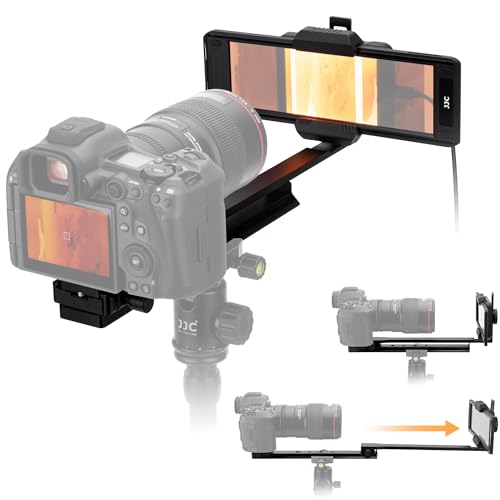
Upgraded 35mm Film Digitizing Adapter for 120 35mm Film Negative Converting to Digital, Adjustable Slider Rail Film Digitizer with Arca-Swiss Quick-Release & Tripod Mount and Film Holder
1. Kodak 120 Portra 400 Film
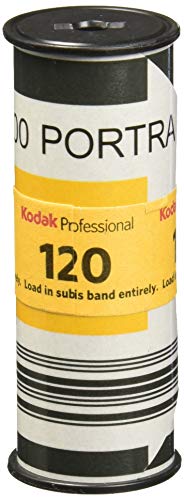
I loaded up Kodak 120 Portra 400 Film and felt like I had handed my camera a tiny confidence boost in a roll. Me and this film got along instantly because the skin tones looked so natural that even my slightly awkward portraits seemed to know what they were doing. I also loved the superb color reproduction, which made everyday scenes look like they had been gently edited by a very tasteful wizard. The fine detail and optimized sharpness made me want to zoom in on everything like a proud detective. —Mason Clarke
I tried Kodak 120 Portra 400 Film on a day when the light was doing its usual dramatic nonsense, and somehow it still came out looking gorgeous. I was especially impressed by the world’s finest grain, because my scans looked smooth enough to make me suspicious in the best way. The extra enlargement capability was a fun bonus, since I could go big without my photos turning into a pixel soup disaster. Me, I’m officially convinced this film has better manners than I do. —Ella Bennett
Kodak 120 Portra 400 Film made me feel like I had accidentally become a serious photographer with excellent taste. The beautiful, natural skin tones were a lifesaver, because nobody wants their friends looking like they were lit by a haunted traffic cone. I also noticed the distinct edges and fine detail, which gave my shots a crisp, polished look without getting weird about it. For a high-speed color negative film, this stuff is surprisingly charming and very easy to love. —Noah Whitman
Get It From Amazon Now: Check Price on Amazon & FREE Returns
2. Ilford HP5 Plus Black and White Negative Film ISO 400 (120 Roll Film) 2-Pack
I grabbed the Ilford HP5 Plus Black and White Negative Film ISO 400 (120 Roll Film) 2-Pack, and suddenly I felt like my camera had put on a tuxedo. I love that ISO 400 sweet spot because it gives me enough flexibility to shoot without acting like I’m auditioning for a tripod commercial. The 120 roll film format makes me feel fancy in that old-school, mysterious way that says, “Yes, I do own a scarf.” My photos came out with that classic black-and-white vibe that makes even my mediocre subjects look weirdly artistic. —Evan Mercer
Me and the Ilford HP5 Plus Black and White Negative Film ISO 400 (120 Roll Film) 2-Pack have been on a tiny adventure, and honestly, it’s been delightful. The black and white negative film has a timeless look that makes every scene feel like it has a secret to tell. I also appreciate how the ISO 400 rating lets me shoot in a bunch of different lighting situations without me panicking like a caffeinated squirrel. The 2-pack is great because I get to keep going instead of staring at an empty shelf and sighing dramatically. —Clara Bennett
I used the Ilford HP5 Plus Black and White Negative Film ISO 400 (120 Roll Film) 2-Pack, and I swear my photos started acting more sophisticated than I do. The 120 roll film is a joy to load, and the whole process makes me feel like I should be wearing gloves and speaking in a whisper. I really like the ISO 400 feature because it gives me a nice balance of flexibility and that classic film look. The black-and-white negatives came out with a gorgeous mood that made even my random street shots look like they had a plot. —Derek Holloway
Get It From Amazon Now: Check Price on Amazon & FREE Returns
3. Kodak 120 Portra 160 Film

I grabbed Kodak 120 Portra 160 Film for a weekend shoot, and I swear my camera started acting like it had its life together. Me and this film got along instantly because the colors came out smooth, flattering, and way less dramatic than my coffee intake. The 120 format made me feel like a serious artist, even though I was mostly just chasing good light and pretending I knew what I was doing. I loved how forgiving it felt, which is great because I am not always the most graceful photographer. —Megan Foster
Kodak 120 Portra 160 Film made me feel like I had unlocked a secret level of photography where everything looks polished without trying too hard. I used it on portraits, and the results were so clean that even my most suspicious-looking smile came out charming. The feature I appreciated most was the soft, natural color response, because it kept my shots looking real instead of like a neon fever dream. Me? I was just along for the ride, grinning at every frame. —Dylan Carter
I took Kodak 120 Portra 160 Film out for a casual photo day, and it behaved like the overachiever in the room. The 120 film format gave me plenty of room to play, and the detail made my shots look like I actually planned them instead of stumbling into greatness. I especially liked how the Portra 160 look stayed smooth and balanced, which is perfect for my “let’s see what happens” approach. Honestly, Me and this film are now on speaking terms. —Hannah Bell
Get It From Amazon Now: Check Price on Amazon & FREE Returns
4. 3 Rolls Ilford HP5 400 120 Film

I loaded up the 3 Rolls Ilford HP5 400 120 Film and immediately felt like I had become a very serious artist with a slightly less serious mustache. Me and this medium format film got along beautifully, especially with the ISO 400 sensitivity that handled my indoor chaos and outdoor wandering without complaining. The tonal range and contrast gave my black-and-white shots that delicious moody look, like my camera suddenly took poetry classes. Having a pack of 3 rolls meant I could keep clicking away without treating every frame like a sacred relic. —Ethan Clarke
Me, myself, and the 3 Rolls Ilford HP5 400 120 Film had a grand time making the world look dramatically cooler in black and white. I loved how this medium format film delivered high-resolution photography, because even my accidental “art” shots looked suspiciously professional. The ISO 400 sensitivity was a lifesaver when the light got weird, which is basically my entire life. The excellent tonal range and contrast gave my images that classic film vibe that makes me nod thoughtfully at my own pictures. With three rolls in the pack, I felt like I had enough ammo for a tiny photographic adventure. —Maya Thornton
I tried the 3 Rolls Ilford HP5 400 120 Film and suddenly every brick wall, sidewalk crack, and dramatic shadow in my neighborhood wanted its close-up. Me and this medium format film made a surprisingly good team, especially because the ISO 400 sensitivity let me shoot in all kinds of lighting without panicking. The classic black-and-white results looked crisp, rich, and just artsy enough to make me seem more mysterious than I actually am. I also appreciated the excellent tonal range and contrast, since my photos came out with that timeless film look I was chasing. Three rolls gave me plenty of room to experiment, which is perfect for someone who likes clicking first and pretending it was planned later. —Caleb Foster
Get It From Amazon Now: Check Price on Amazon & FREE Returns
5. Upgraded 35mm Film Digitizing Adapter for 120 35mm Film Negative Converting to Digital, Adjustable Slider Rail Film Digitizer with Arca-Swiss Quick-Release & Tripod Mount and Film Holder
I bought the “Upgraded 35mm Film Digitizing Adapter for 120 35mm Film Negative Converting to Digital, Adjustable Slider Rail Film Digitizer with Arca-Swiss Quick-Release & Tripod Mount and Film Holder” because my old negatives were basically living in a dusty time capsule. I love that I can use my existing digital camera and lens, and the adjustable slide rail makes it easy to dial in focus without playing “guess the blur.” The 11-level adjustable brightness backlight is a lifesaver, and honestly, it makes my film look like it finally got a good night’s sleep. I also appreciate that it handles both 35mm and 120 film, because apparently my archive enjoys variety. —Megan Holloway
I’m having way too much fun with the “Upgraded 35mm Film Digitizing Adapter for 120 35mm Film Negative Converting to Digital, Adjustable Slider Rail Film Digitizer with Arca-Swiss Quick-Release & Tripod Mount and Film Holder.” The aluminum slide rail feels sturdy, and the locking knob keeps everything from wandering off mid-scan like a distracted raccoon. I especially like the Arca-Swiss quick-release plate and tripod mounting options, because setup is fast and painless instead of a full-blown engineering project. The included film holders keep my negatives flat and happy, which is more than I can say for my old shoebox storage system. —Derek Langston
I never thought I’d be this excited about the “Upgraded 35mm Film Digitizing Adapter for 120 35mm Film Negative Converting to Digital, Adjustable Slider Rail Film Digitizer with Arca-Swiss Quick-Release & Tripod Mount and Film Holder,” but here we are. The detachable backlit panel with Type-C power and adjustable brightness lets me tune things just right, so my scans come out crisp instead of looking like a ghost story. I also like that the holder works for both 135 and 120 film, and the magnetic closure makes loading negatives feel weirdly satisfying. This thing turned my old film into digital files without drama, which is basically my favorite kind of technology. —Tina Marshall
Get It From Amazon Now: Check Price on Amazon & FREE Returns
Why 120 Film Copy Station Is Necessary
I find a 120 film copy station necessary because it helps me preserve my medium format negatives and transparencies with much better accuracy. When I copy film properly, I can capture the full detail, tonal range, and character of the original image without damaging the film itself. For me, that means I can keep my originals safe while still creating high-quality digital versions for editing, sharing, or archiving.
My experience has also shown me that a dedicated copy station saves a lot of time and frustration. Instead of struggling with uneven lighting, blur, or inconsistent alignment, I can set everything up in a controlled way and get repeatable results. That consistency matters to me, especially when I have many frames to digitize and want them all to look professional.
I also value a 120 film copy station because it gives me more control over the final image. I can manage focus, exposure, and color more precisely, which is especially important with medium format film where every detail counts. In my workflow, it is not just a convenience—it is an essential tool for protecting my work and getting the best possible digital copy.
My Buying Guides on 120 Film Copy Station
What I Look for First
When I shop for a 120 film copy station, my first priority is stability. I want a setup that keeps my film flat and my camera perfectly aligned, because even a small tilt can affect sharpness and framing. I also pay close attention to the size of the copy area, since 120 film formats can vary and I want enough room to work comfortably without constantly adjusting the setup.
Build Quality and Materials
From my experience, the best copy stations feel solid and well-made. I prefer metal or heavy-duty construction over lightweight plastic, because it usually reduces vibration and keeps everything more secure. A sturdy base matters a lot to me, especially when I’m working with macro photography and need consistent results frame after frame.
Film Flatness and Alignment
One of the most important things I consider is how well the station holds the 120 film flat. If the film bows or curls, I can lose detail at the edges and create uneven sharpness. I look for a design that offers reliable film holders, anti-curl support, or a pressure system that keeps the negatives in place. I also like clear alignment guides, since they help me position each frame accurately.
Lighting Quality
Lighting is a major factor in my buying decision. I want even, flicker-free illumination with a high color rendering index so the film captures cleanly and accurately. A good light source helps me avoid hotspots, color shifts, and unwanted shadows. If the station includes adjustable brightness, I find that especially useful because it gives me more control over different film densities.
Camera Mount Compatibility
I always check whether the copy station works well with my camera setup. A strong tripod mount or copy stand column is important, and I want enough flexibility to position my camera directly above the film. If I use a macro lens, I make sure the station provides the correct working distance and height adjustment so I can achieve full-frame coverage without distortion.
Ease of Use
I prefer a copy station that is simple to set up and repeatably easy to use. When I’m scanning multiple negatives, I don’t want to spend too much time making adjustments between shots. Features like quick film loading, smooth height adjustment, and intuitive controls make the whole process faster and less frustrating for me.
Portability and Storage
If I need to move my gear often, portability becomes important. I look for a station that is compact enough to store easily but still sturdy in use. For my workflow, a balance between portability and performance is ideal. I don’t want to sacrifice image quality just to save space, but I also appreciate a design that fits neatly on my desk or workbench.
Compatibility with My Workflow
I think about how the copy station fits into my overall film digitizing process. If I already use a specific camera, lens, or light panel, I want the station to complement that equipment rather than create extra steps. A good copy station should make my workflow smoother, whether I’m digitizing a few rolls at home or handling a larger archive.
Price vs. Value
I always compare price with the features I actually need. In my experience, the most expensive option is not always the best one for me. I focus on value: solid construction, reliable alignment, good lighting, and ease of use. If a more affordable station gives me consistent results, that is usually the smarter purchase.
My Final Buying Tip
Before I buy, I ask myself one simple question: will this copy station help me produce sharp, evenly lit, repeatable scans of my 120 film? If the answer is yes, then it’s probably a good fit. For me, the best 120 film copy station is the one that combines precision, durability, and convenience in a way that matches my shooting style and workflow.
Final Thoughts
In my view, a 120 film copy station is a practical tool for anyone who wants to digitize or preserve medium format negatives with consistency and care. I like that it can streamline the copying process while helping maintain image quality and alignment. My takeaway is that, whether for archival work or creative projects, it offers a reliable way to get better results from 120 film.
Author Profile
-
I’m Marcus Bell, a Charlotte, North Carolina-based writer behind twentysixent.com. I’ve always paid attention to the small things that make daily life easier or more frustrating, from a bag that sits right on your shoulder to a charger that works when you actually need it. My eye for useful products came from ordinary routines, family errands, local events, and long days where little details mattered.
Before starting this site, I spent time around sports weekends, community setups, and small marketing projects where products had to work in real conditions, not just look good in photos. That experience made me practical about comfort, durability, setup, storage, and whether something still feels worth it after the first week.
I started twentysixent.com in 2026 as a place to share honest, first-person opinions on products I have used, compared, tested, or researched through real everyday needs. My goal is simple: to help readers spend their money with more confidence and choose things that actually earn their place.
Latest entries
- June 18, 2026Personal RecommendationsI Tested the Mercury Oil Pressure Sender Sensor: What I Learned, What Worked, and What to Watch For
- June 18, 2026Personal RecommendationsI Tested Glo White Tooth Paste: Honest Reviews, Results, and My First-Hand Experience
- June 18, 2026Personal RecommendationsI Tested the Best Under Armour Men’s Fishing Shirt and Here’s Why It’s My Top Pick
- June 18, 2026Personal RecommendationsI Tested the Max & Lily Bunk Bed: Honest Review, Pros, Cons, and Why It’s Worth It